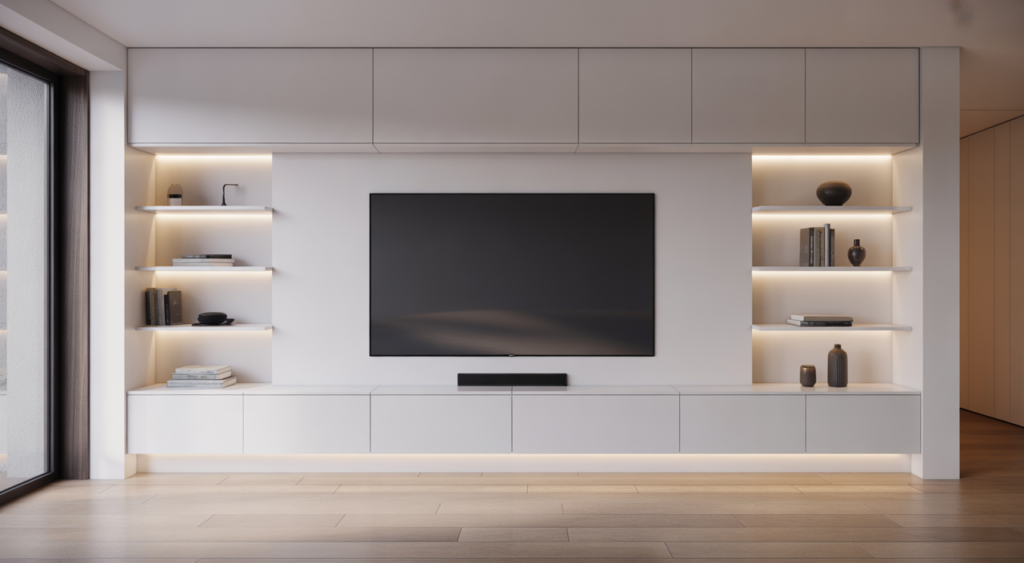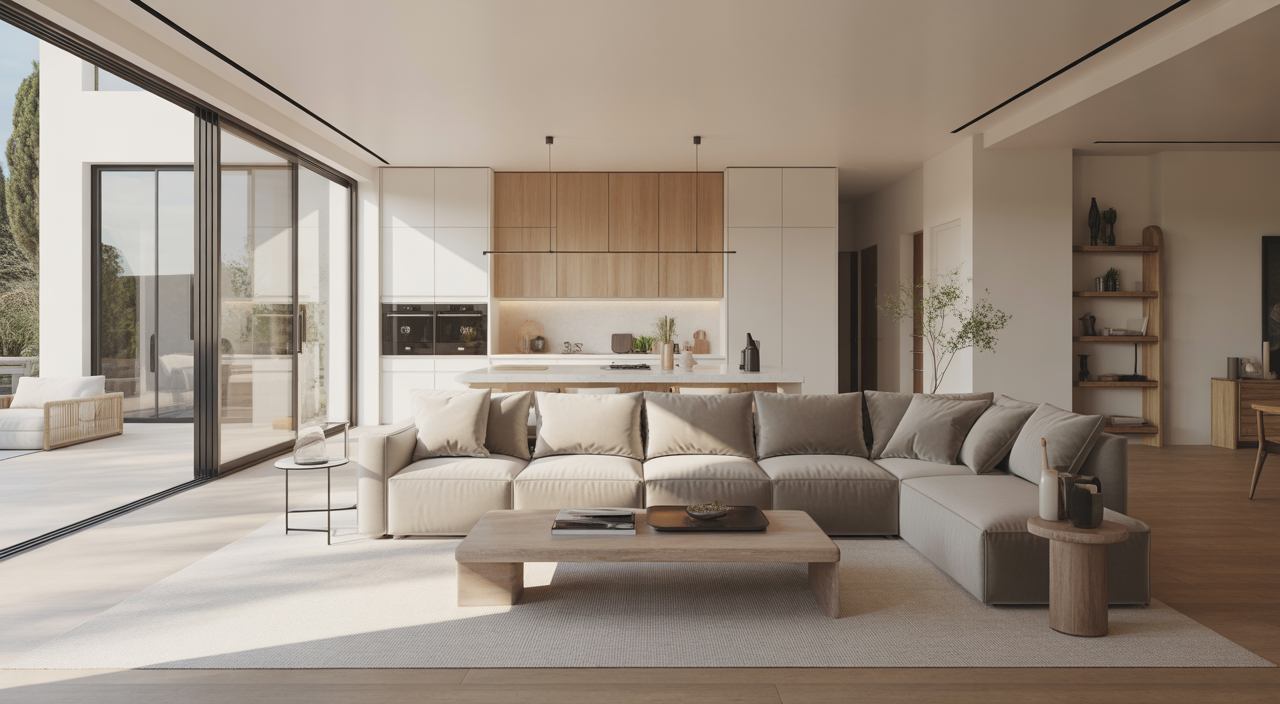
Are you looking to create a living space that feels fresh, organized, and truly reflects a forward-thinking style? Many homeowners dream of a home that is both beautiful and practical. This is exactly whatmodern home interior design aims to achieve.
Modern design is more than just a trend. It is a timeless approach to living that emphasizes simplicity, functionality, and uncluttered spaces. It focuses on clean lines, natural materials, and a sense of openness. This design style brings a calm, sophisticated atmosphere to any home.
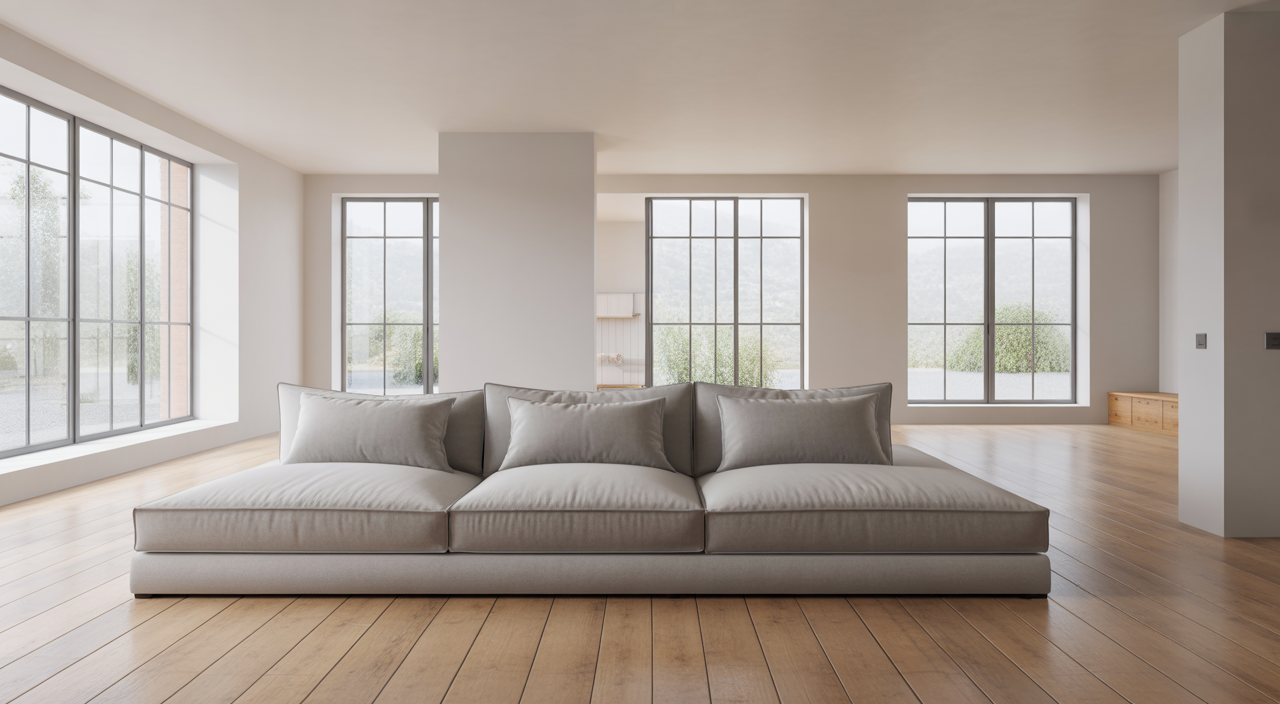
It’s about making your home work better for you, while looking effortlessly chic. Imagine a morning where your living room flows seamlessly into the kitchen, bathed in natural light, making your coffee ritual feel like a serene start to the day. If you’re ready to transform your space, understanding the core ideas behind modern interiors is your first step. We will explore what makes this style so appealing and how you can bring it into your own home.
The Foundational Principles of Modern Interior Design
Modern interior design is built on a few key ideas. These principles help create the distinctive look and feel of a modern home. They guide every choice, from furniture to wall colors, ensuring a cohesive and elegant result.
- Embrace Clean Lines and Geometric Shapes: This is the most recognizable feature. Furniture, architecture, and decor often feature straight lines and simple geometric forms. This creates a sense of order and structure.
- The Power of Open-Plan Living: Modern homes often have fewer walls between main living areas. This creates large, flowing spaces. It helps natural light spread and makes areas feel bigger and more connected.
- The Art of the Neutral Color Palette: Think white, grey, beige, and earthy tones. These colors create a calm and sophisticated background. They also make other elements, like artwork or furniture, stand out subtly.
- Importance of Natural Materials: Modern design loves honesty in materials. You’ll see a lot of exposed wood, stone, concrete, and metal. These materials add texture and warmth, connecting the interior to the natural world.
- Minimalism as a Guiding Philosophy: “Less is more” is a common phrase. Modern design avoids clutter; every item in the room should have a purpose or be a carefully chosen decorative piece.
- Functionality First: How a space works is just as important as how it looks. Modern design prioritizes comfort and ease of use. Furniture is practical, and layouts are efficient.
Essential Elements: Bringing Modern Home Interior Design to Life
Once you understand the principles, you can start choosing specific elements. These choices will help you build a truly modern and inviting home.
- Furniture Selection: Look for sleek, low-profile pieces. Sofas, chairs, and tables should have simple forms. They often feature exposed legs or frames. Comfort is key, but without excessive ornamentation.
- Lighting Design: Natural light is highly valued. Large windows or glass doors are common. For artificial light, choose fixtures that are clean and often sculptural. Think recessed lighting, simple pendant lights, or track lighting that highlights specific areas. Good lighting is also essential for a truly effective architectural visualization.
- Flooring Choices: Hard, smooth surfaces are popular. Polished concrete, large-format tiles, and hardwood floors are common. These choices contribute to the clean and open feel. Area rugs can add warmth and define different zones.
- Wall Treatments & Art: Walls are usually painted in neutral colors. This allows artwork or unique textures to become focal points. Choose abstract or minimalist art. Consider a single large piece rather than many small ones.
- Thoughtful Decor & Accessories: Each decorative item should be carefully selected. A few well-placed plants, a unique vase, or a sculptural object can add personality. Avoid too many small trinkets.
- Integrating Smart Home Technology: Modern homes often blend technology seamlessly. Think smart lighting, automated blinds, or integrated sound systems. These add to the home’s functionality without creating visual clutter.
Exploring Popular Modern Design Variations
While the core principles remain, modern design has several exciting variations. Each adds its own unique flavor to the overall aesthetic.
- Mid-Century Modern: This style emerged in the mid-20th century. It features iconic furniture pieces with organic shapes and slender legs. Think warm woods, vibrant colors, and a playful yet sophisticated vibe.
- Modern Minimalist: This takes minimalism to its extreme. It focuses on the absolute essentials. Spaces are extremely uncluttered, with a strong emphasis on negative space and pure forms.
- Modern Industrial: Inspired by old factories and urban lofts. This style features raw materials like exposed brick, concrete, and metal. It balances rugged textures with sleek, modern furnishings for an edgy look.
- Modern Scandinavian (Scandi): This variation emphasizes light, warmth, and simplicity. It uses light wood, white walls, and cozy textiles. The focus is on creating comfortable, functional, and inviting spaces.
- Organic Modern: This trend combines clean modern lines with natural, organic forms and textures. It brings in elements like rough-hewn wood, textured fabrics, and nature-inspired colors. This creates a softer, more earthy modern feel.
Room-by-Room: Applying Modern Design Concepts
Applying modern design effectively means thinking about each room’s purpose and how these principles can enhance it.
Modern Living Room Ideas: This is often the heart of the home. Opt for a comfortable, low-slung sofa with clean lines. Add a minimalist coffee table and perhaps a statement armchair. Keep decor sparse but impactful, focusing on a large piece of art or a striking light fixture.
Modern Kitchen Design: Functionality is paramount here. Choose handle-less cabinets, sleek appliances, and simple countertops. An island can serve as both a workspace and a dining area. Open shelving can display a few curated items, avoiding clutter.
Modern Bedroom Retreats: Create a serene escape. A platform bed with a simple headboard is a great start. Use a neutral color scheme with soft, natural textiles. Focus on smart storage solutions to keep the room tidy and calming.
Modern Bathroom Sanctuary: Think spa-like elegance. Floating vanities, walk-in showers with glass screens, and simple fixtures are common. Choose large-format tiles for walls and floors to create a seamless look. Keep toiletries hidden away for a clean aesthetic.
Modern Design for Small Spaces: Modern design’s emphasis on open plans, multi-functional furniture, and lack of clutter helps maximize space. Light colors also make small rooms feel larger and brighter.
Bringing Your Modern Home Interior Design Vision to Life with Professionals
Achieving a truly harmonious and stunning modern interior design can be a complex process. While our guide offers many ideas, bringing them all together perfectly often requires professional expertise. An experienced design firm can help you navigate choices, avoid mistakes, and ensure your vision becomes a reality.
The journey to a stunning modern home interior design begins with a clear vision. At Aklarch, we combine cutting-edge design principles with practical execution to transform your space. Ready to see your ideas come to life? Visit our modern home interior design page to explore our comprehensive services and try our innovative Interior Design Visualizer. It’s the perfect tool to help you visualize different layouts, materials, and colors in your own space, ensuring your modern design reflects your personal style and needs.
Choosing a professional team for your architectural and interior design needs, including design-build services, ensures that every detail is handled with precision. From initial concept to final touches, experts can create a bespoke modern home that is both functional and beautiful.
Common Mistakes to Avoid in Modern Design
Even with good intentions, some common pitfalls can detract from a modern aesthetic. Avoid over-decorating; remember, less is more. Don’t sacrifice comfort for style; modern design can and should be cozy. Be careful with lighting; too little or too much can disrupt the mood. Finally, don’t blindly follow trends. Focus on a design that truly speaks to your personal taste and lifestyle.
Conclusion: Your Modern Home Awaits
Modern home interior design offers a path to a beautiful, functional, and serene living space. By understanding its core principles and applying them thoughtfully, you can create a home that feels both current and timeless. Embrace simplicity, celebrate natural beauty, and enjoy a home that truly enhances your daily life.
Frequently Asked Questions
Q1: What is the main difference between modern and contemporary interior design?
A: Modern design refers to a specific period (roughly the early to mid-20th century) and style, characterized by clean lines, functionality, and natural materials. Contemporary design, on the other hand, is constantly evolving and refers to what is popular and current right now. While they can sometimes overlap, modern is a fixed style, and contemporary is a fluid one.
Q2: Can I achieve a modern look on a budget?
A: Yes, absolutely! Modern design’s emphasis on simplicity and functionality means you don’t need expensive, elaborate items. Focus on decluttering, painting walls in neutral tones, and choosing a few key pieces of furniture with clean lines. You can find affordable, well-designed modern furniture and accessories. Prioritize quality for essential items and look for deals on decor.

Mark Martin is a freelance writer and editor based in New York City. He has written extensively on topics ranging from technology, business and lifestyle. His work has been featured in major publications such as The New York Times, The Wall Street Journal and Wired Magazine.