Actuators that perform perfectly in a clean, temperate plant can fail quickly in hazardous or harsh environments if they were not specified for those conditions. Oil and gas sites, coastal installations, washdown areas, and extreme-temperature processes each impose demands that a generic specification simply does not cover. Getting the environmental specification right is as important as getting the torque right. Hazardous Area Classification Where flammable gases or dusts may be present, actuators and their accessories must carry the correct hazardous-area certification for the zone. This is a legal and safety…
Read MoreCategory: Engineering
Why Mobile Column Lifts Are the Smart Choice for Modern Pharmaceutical and Food Processing Facilities
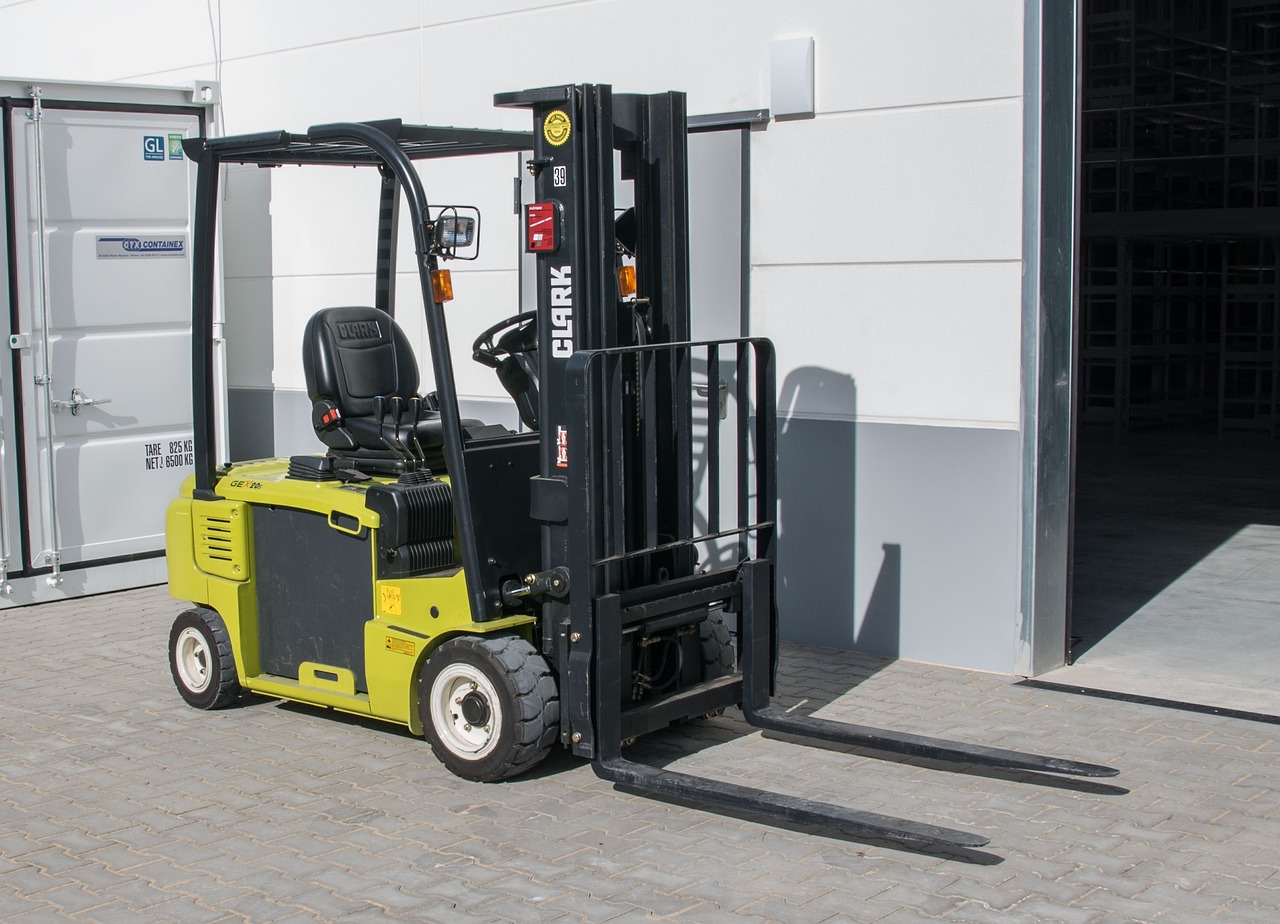
The Evolving Challenge of Vertical Material Movement in Manufacturing In pharmaceutical, food processing, and nutraceutical manufacturing environments, the need to safely and efficiently lift, position, and move heavy process equipment, containers, and material vessels is a daily operational challenge. Traditional fixed lifting solutions — overhead cranes, stationary hoists, fixed-position lifts — address part of this challenge, but they introduce significant constraints: high installation costs, limited flexibility, and the inability to reposition lifting capacity as production needs change. This is precisely why mobile column lift systems for pharmaceutical and industrial use…
Read MoreHow Thermal Oxidizers Work: A Practical Guide for Process Engineers

Introduction to Thermal Oxidation Technology Thermal oxidizers are one of the most widely used emission control technologies in industrial applications today. From oil and gas processing to chemical manufacturing, pharmaceutical production, and food processing, thermal oxidizers provide a reliable, regulatory-compliant method for destroying volatile organic compounds (VOCs), hazardous air pollutants (HAPs), odorous gases, and other combustible contaminants before they are released into the atmosphere. For process engineers tasked with designing or selecting emission control systems, understanding the fundamental operating principles of thermal oxidizers — and the key design variables that…
Read More