
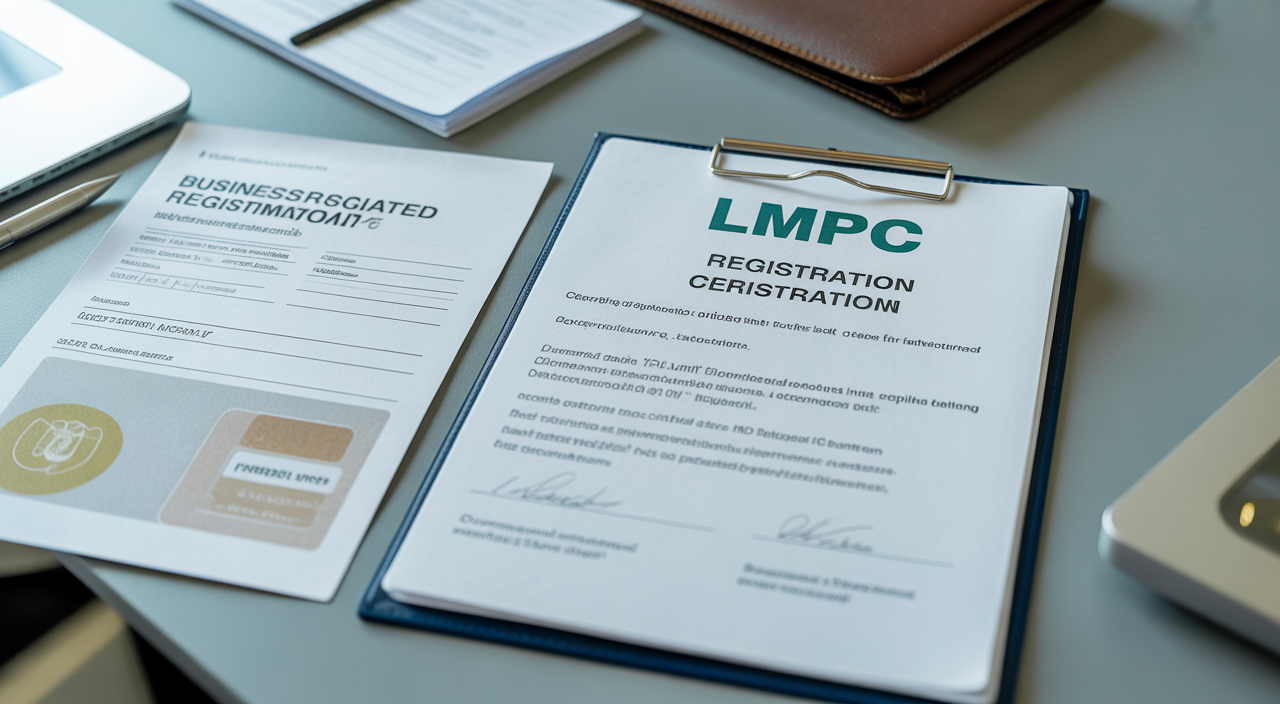
What is LMPC and why is it so important?
Are you manufacturing, importing, or packing any pre-packaged product for sale in India? Then you have probably heard the term lmpc many times. LMPC stands for “Legal Metrology Packaged Commodities.” It is a registration certificate required under the Legal Metrology (Packaged Commodities) Rules, 2011. In simple words, it is the government’s way of making sure every packet you sell follows fair weight, price, and labeling rules.
Without LMPC registration, your packaged products may not be legally allowed in the market. This applies to a wide range of items, such as food packets, cosmetics, home appliances, electronics, and many other consumer goods. If your product is sold in a sealed package with a printed price, LMPC is usually necessary.
For Indian businesses, especially small and medium units, LMPC is not just a legal formality. It is a strong signal to distributors, retailers, and consumers that your business respects rules and values transparency.
Benefits and importance of LMPC registration
LMPC registration offers many clear benefits for your business. Once you understand these, you will see it as an investment rather than a burden.
- Legal safety and peace of mind LMPC keeps you compliant with legal metrology regulations in India. This reduces the risk of surprise inspections resulting in notices or penalties. You can focus on growth instead of worrying about violations.
- Stronger consumer trust When customers see correct MRP, quantity, date of manufacture, and other details on a pack, they feel safe. LMPC helps standardize these declarations and builds confidence in your brand.
- Better market access Many large retailers, marketplaces, and distributors insist on legal metrology registration before onboarding a brand. With a valid LMPC certificate, you can expand into modern trade, e-commerce, and export channels more easily.
- Smoother renewals and audits Once your basic documentation and packaging are aligned with LMPC rules, future renewals and inspections become much simpler. This creates long-term value and supports brand reputation.
Required documents and prerequisites
Before you apply for LMPC registration, keep a clean document set ready. This reduces back-and-forth with authorities and speeds up approval.
Mandatory documents
- Business registration proof such as GST registration or any firm incorporation certificate
- Address proof of the manufacturing, packing, or import premises (electricity bill, property tax receipt, rent agreement, etc.)
- Sample product labels showing all mandatory declarations
- Details of packing material and quantity (net weight, volume, number of pieces)
- Identity proof and address proof of the applicant or authorised signatory (PAN, Aadhaar, passport)
Optional but helpful documents
- Quality test reports or certifications, if you have them
- Power of attorney or authorisation letter if a consultant or service partner is filing on your behalf
- Photographs of the premises, especially packing area and equipment
Following a proper documentation checklist is similar to preparing thoroughly for any compliance process. You can see a similar approach in this guide on cosmetics import and manufacturing compliance, where documents and steps are clearly planned to avoid delays.
Validity of the LMPC certificate
In most states, an LMPC certificate is typically valid for around three years, though exact duration can vary by local rules. It is important to check the validity period mentioned on your certificate.
You should apply for renewal well before the expiry date, ideally 60 to 90 days in advance. This prevents any gap in compliance. Operating with an expired certificate is treated almost like operating without registration.
Step-by-step LMPC registration process
The exact process can differ slightly from state to state, but the broad steps are similar.
- Create or log in to the online portal Register your business on the state or central legal metrology portal. Use a valid email ID and mobile number.
- Fill in business and product details Enter information such as business name, address, type of activity (manufacturer, packer, importer), and list of products with HSN codes if required.
- Upload documents and label samples Scan and upload all required documents in the specified format and size. Upload clear images or PDFs of your product labels.
- Pay official fees online Pay the prescribed LMPC fees through the payment gateway. Keep the payment receipt safely for future reference.
- Inspection or query handling In some cases, an inspector may visit your premises or raise queries online. Respond quickly with clarifications or updated documents.
- Certificate issuance and download Once approved, you can download the LMPC certificate from the portal. Take multiple printouts and store a soft copy in secure company records.
Common mistakes to avoid (quick checklist)
Many applications get delayed or queried due to simple, avoidable errors. Use this checklist before you hit “submit.”
- ☐ Address proofs that are old, unclear, or do not match the application
- ☐ Mismatch between details printed on the label and those entered in the LMPC application form
- ☐ Wrong fee selection, especially when choosing between manufacturer, packer, or importer categories
- ☐ Missing signature or digital sign on forms and declarations
- ☐ Filing too late when you have already started selling packaged products
Getting professional help for reviewing your documentation and declarations can save a lot of time. For example, many businesses also seek expert help when choosing a specialist consulting partner for complex technical compliance.
What happens if you ignore LMPC registration?
Operating without valid LMPC registration can affect your business in several ways. While the goal is always positive growth, it is wise to know the risks so you can avoid them.
- Monetary penalties Authorities can impose fines that may go up to ₹25,000 per offence, depending on the nature and frequency of violations.
- Seizure of goods Non-compliant stock can be seized or detained until the issue is resolved. This can disturb your supply chain and cash flow.
- Delays in market expansion Major retailers and online platforms may refuse to list your products without proper legal metrology certificates.
- Impact on brand image Once distributors or customers see your brand involved in non-compliance issues, it may take extra effort to rebuild trust.
Cost involved in LMPC registration
Exact LMPC fees can vary from state to state and by business category. However, the broad ranges for a typical small or medium enterprise look like this:
Approximate cost breakup (in INR)
- Official application fee: ₹2,500 – ₹5,000
- Professional or service partner charges: ₹3,000 – ₹8,000, depending on the complexity and number of SKUs
- Inspection or miscellaneous charges (if any): ₹1,000 – ₹3,000
When you factor in these costs against the risk of penalties and stock seizure, timely LMPC registration is usually the smarter financial choice.
How a professional partner can help with LMPC
Many Indian manufacturers and importers prefer to work with a specialized legal metrology consultant. A good service partner can:
- Review your labels and packaging for full compliance with LMPC rules
- Prepare and file the LMPC application on your behalf
- Coordinate with authorities during inspections or queries
- Support you with renewals, additions of new products, and changes in business details
This is especially useful if you handle multiple product categories, operate in more than one state, or are new to the packaged goods market.
Conclusion
For any Indian business dealing with pre-packaged commodities, an LMPC certificate is a basic but powerful compliance requirement. It protects your business from legal issues, builds trust with buyers, and opens doors to larger markets.
If you plan to start or expand a packaged goods line, treat LMPC registration as an early, priority task. With the right documents, correct label design, and proper guidance, the process is straightforward and manageable.
FAQs on LMPC registration in India
Q1. What is the fee for LMPC registration?
The official LMPC registration fee usually falls in the range of ₹2,500 to ₹5,000, depending on your state and business category. If you use a consultant, there will be additional professional charges based on the scope of work.
Q2. How long is the LMPC certificate valid?
In many cases, an LMPC certificate is valid for about three years. You should always check the validity mentioned on your certificate and apply for renewal before it expires.
Q3. Can I apply online for LMPC registration?
Yes, most states support online LMPC applications through their legal metrology portals. You need to create an account, fill the LMPC application form, upload documents, and pay the fees digitally.
Q4. What penalties apply for LMPC non-compliance?
Non-compliance can lead to financial penalties, seizure of stock, and notices from authorities. The exact penalty amount depends on the type of violation and the applicable legal metrology rules in your state.
Q5. How soon can I get my LMPC certificate after applying?
If your documents are complete and there are no major issues, LMPC approval may come within 15 to 30 days. Timely responses to any queries from the department help you receive your certificate faster.

Mark Martin is a freelance writer and editor based in New York City. He has written extensively on topics ranging from technology, business and lifestyle. His work has been featured in major publications such as The New York Times, The Wall Street Journal and Wired Magazine.