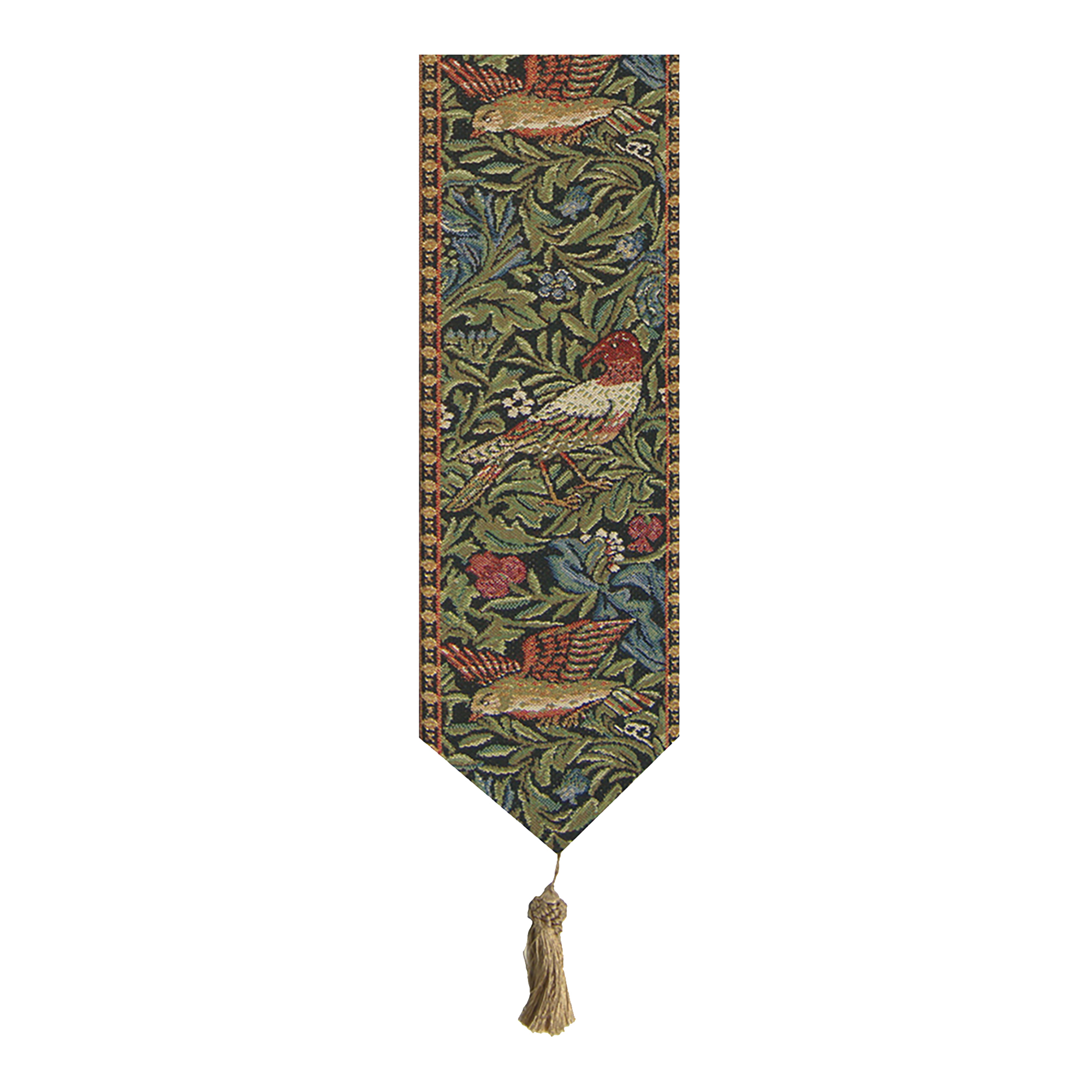
Tapestry bell pulls occupy a unique place in the world of home décor. Too narrow to be a tapestry panel, too long to be a cushion, too decorative to be confused with anything purely practical — they are a singular object with a distinctive presence. Finding the right one for your home requires understanding the range of patterns, sizes, and finishing styles available, and how each suits different interiors and display contexts.
Why Bell Pulls?
Before diving into selection criteria, it’s worth understanding what makes bell pulls worth considering at all. Their narrow, vertical format solves a problem that many decorators encounter: the tall but narrow wall space that neither a painting nor a standard tapestry panel fits comfortably. Beside a door frame, between two windows, along a staircase wall, or flanking a fireplace — these are the spaces where a bell pull comes into its own.
They also add a layer of heritage and craftsmanship that mass-produced wall prints simply cannot replicate. A woven tapestry bell pull, even a relatively small one, carries the visual weight and tactile richness of genuine textile art.
Pattern Styles Explained
Floral designs are the most enduring category in tapestry bell pull production. Drawing on the millefleur tradition of medieval French and Flemish tapestries, floral bell pulls typically feature climbing roses, irises, lilies, and leaves arranged in repeating vertical compositions. They suit country interiors, period homes, and any space where softness and warmth are desired.
Geometric patterns — drawn from Islamic, Moorish, or Renaissance tile and architectural traditions — give bell pulls a bolder, more formal presence. Interlocking diamonds, chevrons, and star motifs in strong contrasting colors make a statement without the literal imagery of figurative designs.
Hunting and equestrian scenes evoke the grand tapestry traditions of European manor houses. A bell pull depicting a fox hunt, falconry scene, or medieval chase brings narrative richness and a distinctly British country house flavor.
Heraldic designs featuring shields, crests, and fleur-de-lis motifs suit formal traditional interiors, libraries, and panelled rooms where an atmosphere of heritage and lineage is being cultivated.
For the full range across all these styles, browse the collection at Charlotte Home Furnishings decorative bell pulls.
Choosing the Right Size
Standard tapestry bell pulls range from around 5 to 7 inches wide and 20 to 48 inches long. Shorter pieces suit spaces with lower ceilings or tighter wall sections; longer pieces are more dramatic and work best in rooms with high ceilings, wide doorways, or grand architectural proportions.
Width matters too. A 5-inch bell pull beside a standard interior door looks well-proportioned; the same piece beside an 8-foot archway would look lost. Scale your bell pull to the architectural element beside which it will hang.
Hardware and Finishing
The hardware that tops and bottoms a bell pull is as important as the textile itself. Traditional options include turned wooden rods with ball or acorn finials, wrought iron rods with scrolled ends, and brass fittings with ornate casting. The lower end is typically finished with a cord tassel, a wooden bob, or a simple knotted cord weight.
Match your hardware to the existing metal and wood tones in the room. Brass fittings suit warm, traditional interiors; wrought iron suits country and Gothic spaces; natural wood suits Arts and Crafts or rustic interiors.
Grouping Bell Pulls
A single bell pull is a subtle accent; two or more become a considered decorative statement. A pair flanking a fireplace mirror creates a symmetrical formal arrangement. A trio descending a staircase wall at graduated heights connects the vertical movement of the stair with the wall surface alongside it.
Mixing patterns within a group can work beautifully — a central floral bell pull flanked by geometric ones in complementary colors — but ensure all pieces share a common color palette or material finish to give the grouping cohesion.
Explore the full selection of woven and embroidered decorative design bell pulls to find the perfect combination of pattern, size, and finish for your home.

Mark Martin is a freelance writer and editor based in New York City. He has written extensively on topics ranging from technology, business and lifestyle. His work has been featured in major publications such as The New York Times, The Wall Street Journal and Wired Magazine.