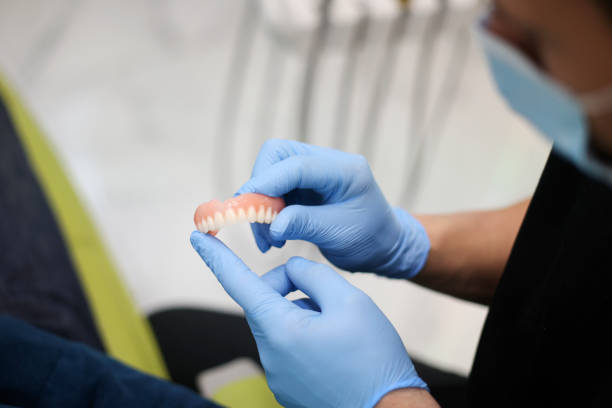
When reading online reviews for corporate dental chains, one specific issue dominates the feedback boards. Patients frequently express severe frustration with the physical fit and comfort of their new prosthetics. Aspen Dental markets itself as a premier provider of fast and accessible tooth replacement options. However, consumer protection sites are filled with complaints about loose plates, painful mouth sores and the inability to chew solid food. We examined the clinical realities of immediate dentures, the corporate tier pricing system and the actual laboratory process to explain why these fit issues occur so frequently.
Why Do Aspen Dental Dentures Fit Poorly Initially?
The vast majority of complaints regarding poor fit do not stem from faulty manufacturing. Instead, they are the direct result of the biological healing process combined with the immediate denture protocol. Most Aspen Dental patients require extractions before receiving their plates. Because patients do not want to leave the clinic without teeth, the office provides an immediate denture placed directly over the open surgical extraction sites on the very same day.
As the gums heal and the underlying bone reshapes over the following six months, the tissue shrinks dramatically. A denture that fit perfectly on the day of surgery will become entirely loose within weeks. Patients often misinterpret this natural biological shrinkage as a product defect.
Understanding the Immediate Denture Healing Process
To understand the root cause of these online complaints, we must look at the physiological changes in the mouth after tooth extraction. The bone that holds our natural teeth in place is called the alveolar ridge. Once a tooth is removed, the body begins to resorb this bone because it no longer serves a functional purpose.
During the first three to six months following full-mouth extractions, the gum tissue and bone undergo rapid structural changes. The ridge becomes shorter and narrower. Because an immediate denture is manufactured based on impressions taken before the teeth were extracted, its rigid acrylic base cannot adapt to the changing shape of the healing gums.
When patients leave negative reviews on the Better Business Bureau stating their dentures fall out when they speak or drink liquids, they are usually in the middle of this unpredictable healing phase. The corporate business model often fails to adequately educate patients about this frustrating timeline, leading to mismatched expectations between the advertised smile and the painful reality of the initial healing period.
The Critical Role of Soft and Hard Relines
Because the acrylic base of the denture cannot shrink with the gums, the clinic must repeatedly fill the resulting gaps. They accomplish this through a process called relining.
- Soft Relines: During the first few months, the dentist will apply a temporary silicone-based material to the inside of the denture. This soft reline cushions the healing gums and temporarily improves the suction. Patients must return to the clinic frequently to have this material replaced as the bone continues to resorb.
- Hard Relines: Once the gums have fully healed and stabilized (usually around six months post-surgery), the clinic performs a final hard reline. They take a new impression of the fully healed gums and replace the temporary soft material with permanent hard acrylic.
Many patient complaints arise during the transition period between the soft and hard relines. Patients often feel abandoned by the clinic if they cannot secure an immediate appointment to fix a loose plate, leaving them unable to eat comfortably for weeks at a time.
Aspen Dental Denture Tiers: Basic, Classic, Signature and Signature Elite
Another significant factor influencing fit and comfort is the actual product the patient purchases. Aspen Dental does not offer a single universal prosthetic. They utilize a tiered pricing structure that heavily impacts the quality, durability and customization of the final product.
| Denture Tier | Warranty Period | Material Quality and Customization |
| Basic | 6 Months | Standard acrylic base with limited tooth shade options. Highly prone to wear and minor fractures. |
| Classic | 1 Year | Standard fit and function designed for everyday wear. Includes a hard reline to finalize the fit. |
| Signature | 5 Years | Premium resin blend for improved durability. Highly customized tooth shading and improved bite alignment. |
| Signature Elite | 7 Years | Top-tier digitally designed prosthetic. Maximum customization for facial structure support and natural appearance. |
Patients who opt for the lowest price point (the Basic tier starting around $499 per arch) often report the highest dissatisfaction. These economy plates use standard straight acrylic without the reinforced resin blends found in the Signature lines. The Basic plates are thicker, heavier and more difficult to adapt to the nuanced contours of the mouth. Furthermore, patients often do not realize that the advertised promotional prices usually only cover the Basic tier, leading to frustration when the staff recommends a $2000 upgrade to achieve a truly comfortable fit.
Laboratory Turnover and “Same-Day” Speed Issues
Aspen Dental prides itself on operating in-house dental laboratories. This structure allows them to manufacture, repair and adjust prosthetics much faster than independent dentists who must mail impressions to external facilities.
However, this focus on speed and high volume can occasionally compromise precision. The in-house laboratories function under strict daily production quotas. High employee turnover among lab technicians is a known issue within the corporate dental sector. When a clinic loses an experienced technician, the quality of the immediate dentures and complex relines can temporarily drop. Patients frequently note in reviews that their dentures require three or four adjustments before the bite alignment feels centered. This is often a direct result of the high-speed, high-volume manufacturing environment.
Understanding the 90-Day Denture Money-Back Guarantee
To combat the negative reputation surrounding fit issues, Aspen Dental heavily promotes a Denture Money-Back Guarantee. The policy states that if a patient is dissatisfied with their permanent dentures, the clinic will refund the cost of the prosthetic.
While this sounds reassuring, patients must read the fine print carefully. We found several critical limitations that frequently lead to denied refunds and subsequent online complaints:
- The 90-Day Window: The guarantee period only begins upon the insertion of the final denture or the completion of the final hard reline. It does not apply during the messy six-month healing phase of the immediate denture.
- Exclusion of Surgical Costs: The refund solely covers the physical cost of the acrylic denture. It explicitly does not refund the thousands of dollars spent on the extractions, bone grafting or deep cleanings that occurred prior to receiving the prosthetic.
- Compliance Requirements: To qualify for the refund, patients must prove they attended all scheduled adjustment appointments and followed the recommended clinical protocols. If a frustrated patient simply stops going to the clinic, they void the guarantee.
Actionable Steps for New Denture Patients
The transition to artificial teeth is physically and emotionally taxing. To avoid becoming another negative review statistic, patients should approach the corporate denture process with clear expectations and strict management of their treatment plan. We recommend the following strategies to ensure the best possible outcome.
- Plan for a difficult healing phase: Accept that your immediate dentures will fit poorly within a few weeks of your extractions. Stock up on soft foods, denture adhesives and oral pain relievers before your surgery date.
- Schedule relines in advance: Do not wait until your plate falls out to call the office. When you leave your surgery appointment, immediately schedule your follow-up soft reline appointments for the coming months.
- Budget for the final product: Understand that the lowest advertised price rarely provides the best long-term comfort. If possible, allocate funds for the Classic or Signature tiers to secure better materials and longer warranty protection.
- Document your adjustment visits: If you experience severe pain or noticeable defects in the acrylic, document your visits and communicate in writing with the office manager. This paper trail is vital if you need to invoke the money-back guarantee after your final hard reline.
Summary
The high volume of complaints regarding Aspen Dental dentures usually points to a failure in patient education rather than a failure in clinical dentistry. By understanding the biological realities of bone resorption, the necessity of frequent relines and the differences between the corporate product tiers, patients can navigate the system effectively. Recognizing that immediate dentures are a temporary medical tool rather than a final cosmetic product is the key to maintaining realistic expectations and achieving a comfortable, long-lasting smile.

Mark Martin is a freelance writer and editor based in New York City. He has written extensively on topics ranging from technology, business and lifestyle. His work has been featured in major publications such as The New York Times, The Wall Street Journal and Wired Magazine.