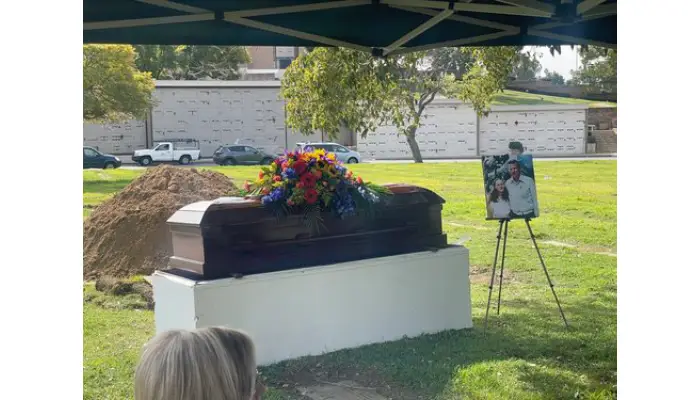
Burial at sea in Southern California is mainly regulated by federal law under the Marine Protection, Research and Sanctuaries Act, enforced by the EPA. Burials must take place at least 3 nautical miles offshore, with non-cremated remains buried in waters 600 feet deep or more. Cremated remains can be scattered at any depth beyond that distance. Preparation rules require natural fiber wrappings and weighted caskets without plastics to prevent pollution. California adds licensing requirements: anyone offering burial at sea services must have a Cremated Remains Disposer license from the state, which is separate from boat or captain licenses. Local permits generally do not cover ocean burials but may apply to land-related burial permits.
Federal Rules for Burial at Sea in Southern California
Burial at Sea Southern California is governed by federal law under the Marine Protection, Research and Sanctuaries Act (MPRSA), which is enforced by the Environmental Protection Agency (EPA). All burials must take place at least 3 nautical miles offshore from the U.S. coastline. For non-cremated remains, the ocean depth must be at least 600 feet, though some areas may require even greater depths. Cremated remains have more flexibility and can be buried at any ocean depth, but still must be at least 3 nautical miles from shore. Non-cremated remains must be prepared to sink quickly and permanently. For example, caskets need at least twenty 2-inch holes drilled evenly to allow water entry, and all plastic materials must be removed to avoid pollution. The total weight of the casket, including added weights like sand or concrete (but excluding lead), must be at least 300 pounds. To ensure the casket sinks and stays on the ocean floor, it must be secured with at least six durable bands or chains. The law prohibits placing plastics, metals, monuments, artificial reefs, expendable devices such as balloons or rockets, and burning vessels as part of the burial process. After the burial, the responsible party must report the event to the EPA within 30 days using the Burial at Sea Reporting Tool. No prior permit or fees are required before conducting the burial. It is important to note that states cannot impose additional regulations beyond these federal rules for ocean burials, although burials in foreign waters must comply with the local laws of those countries.
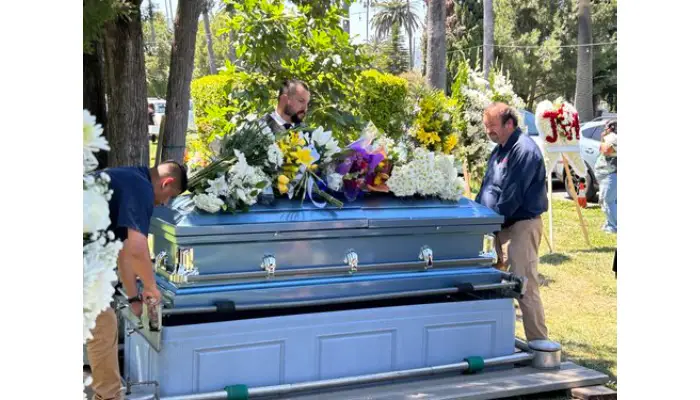
Preparation and Disposal Requirements for Human Remains
When preparing human remains for burial at sea in Southern California, strict guidelines ensure environmental safety and legal compliance. Non-cremated remains that are not placed in caskets must be wrapped in natural fiber shrouds, such as cotton or linen, and weighted to sink quickly. This prevents the remains from floating and disturbing marine life. Cremated remains may be buried in biodegradable containers, but these containers must be free of plastics or any materials that could float or pollute the ocean.
For casketed burials, the casket must be specially prepared to allow rapid water ingress and sinking. This involves drilling a minimum of twenty 2-inch ventilation holes evenly spaced around the casket. All plastic liners, foam padding, and other non-biodegradable materials must be removed before burial, as these materials do not decompose and can harm the marine environment.
Weights like sand or concrete are required to ensure the casket sinks and remains on the ocean floor permanently. Lead weights are strictly prohibited due to their toxic impact on marine ecosystems. To prevent drifting, caskets must be securely banded or chained with at least six durable bands or chains. Any non-human materials or artificial items that do not naturally degrade are not allowed with the remains. This careful preparation helps reduce environmental impact and complies with EPA and Navy regulations.
It’s important to note that burning or floating pyres related to burial at sea are not permitted under federal rules. These measures work together to ensure that sea burials are respectful, legal, and environmentally responsible.
- Non-cremated remains not in caskets must be wrapped in natural fiber shrouds and weighted for rapid sinking.
- Cremated remains may be buried inside biodegradable containers free of plastics or floating materials.
- Caskets must have ventilation holes (minimum twenty 2-inch holes) evenly spaced to allow water ingress.
- Plastic liners, foam, and other non-biodegradable materials are not allowed inside caskets for sea burial.
- Weights like sand or concrete must be used to ensure the casket sinks and remains on the ocean floor permanently.
- Lead weights are prohibited due to environmental contamination risks.
- Caskets must be securely banded or chained to prevent floating or drifting.
- Remains must not contain any non-human materials or artificial items that do not degrade naturally.
- Burning or floating pyres connected to burial are not allowed under federal regulations.
- Proper preparation reduces environmental impact and ensures compliance with EPA and Navy guidelines.
California State Licensing for Burial at Sea Services
In California, holding a Cremated Remains Disposer (CRD) license issued by the Department of Consumer Affairs is mandatory for anyone offering burial at sea services involving ashes. This license is separate from and in addition to any U.S. Coast Guard captain’s license or boat registration, which alone do not authorize sea burial services. Many companies operate without the CRD license, which is illegal and poses risks to consumers. The CRD license ensures providers follow state funeral and cremation laws, which go beyond federal EPA rules. For example, before scattering or disposing of cremated remains at sea, a valid Burial Permit (VS-9) must be obtained as part of death registration. Licensed operators undergo annual inspections and must keep detailed records of cremated remains disposition to maintain compliance. Advertising burial at sea services without this license is prohibited by California law, making it important for consumers to verify a provider’s CRD status before hiring. It’s also worth noting that the CRD license applies specifically to cremated remains and does not cover non-cremated burials at sea.
Local Permits and Regulations in Southern California
In Southern California, there is no statewide permit specifically required for scattering ashes at sea. However, local city or county governments may have rules that apply when ashes are scattered on public land or inland waters, so it’s important to check with local authorities. Burial at sea in the ocean is strictly regulated at the federal level under the EPA’s Marine Protection, Research and Sanctuaries Act (MPRSA), and local governments cannot override these rules. For example, counties like San Diego and Los Angeles issue burial permits, but these typically cover land burials or cremation services, not ocean burials. It’s advisable to contact local county health departments to confirm if there are any procedural requirements or notifications needed when planning a sea burial. Some municipalities may require notification or documentation for ceremonies held on public property before or after the burial at sea. Additionally, local environmental or maritime agencies might have guidelines related to the vessels used during burial ceremonies, including restrictions on time, place, or manner of public gatherings. Coordinating with local authorities helps ensure you’re in compliance with all applicable rules beyond federal and state laws, avoiding complications during this sensitive process.
Reporting and Notification Procedures After Burial
After conducting a burial at sea in Southern California, it is required by federal law to report the event to the U.S. Environmental Protection Agency (EPA) within 30 days. This is done using the EPA’s official Burial at Sea Reporting Tool available online. The report must include details such as the date and precise location of the burial, the method used, and if applicable, the identity of the deceased. There is no need to obtain a permit or pay any fees before the burial takes place, but submitting an accurate and timely report is mandatory. Service providers handling the burial are responsible for filing this report on behalf of the family and must keep documentation available for EPA inspection if requested. Reporting applies to all burials, whether the remains are cremated or not. Failure to report can lead to enforcement actions or penalties from the EPA. The reporting tool enables the EPA to monitor environmental impacts and ensure compliance with the Marine Protection, Research, and Sanctuaries Act. In some cases, if the burial location or circumstances fall outside usual guidelines or if complaints arise, the EPA may request additional information. Families are encouraged to ask their service provider for confirmation that the report has been submitted, providing peace of mind that legal obligations have been met.
Prohibited Practices and Materials in Sea Burials
Burial at sea in Southern California is strictly regulated to protect the marine environment, and several practices and materials are expressly prohibited. No burial may take place within 3 nautical miles of the shore to prevent damage to coastal ecosystems. The federal permit does not allow the burial of non-human remains, such as pets or other animals. Materials that do not biodegrade, including plastics, metals, and synthetic containers, are banned from use in remains or their containers to avoid pollution and floating debris. Permanent structures like artificial reefs, monuments, or any other lasting installations are not permitted as part of the burial. Additionally, expendable devices such as balloons, rockets, or fireworks cannot be used either to transport remains or mark the burial site. Open flames related to burial, including burning boats or floating pyres, are forbidden due to safety and environmental concerns. Toxic substances like lead weights are also prohibited to prevent contamination of the ocean. It is essential that caskets or remains are prepared properly to sink quickly and permanently; any that float or break apart pose a violation of regulations. Non-compliance with these rules risks significant fines, legal penalties, and environmental harm. For example, using a plastic-lined casket or releasing balloons during the ceremony would be violations that could lead to enforcement actions. Observing these prohibitions ensures that sea burials remain a respectful and environmentally responsible way to honor loved ones.
Verifying Burial at Sea Service Providers in California
When choosing a burial at sea service provider in Southern California, it’s important to confirm that the company holds a current California Cremated Remains Disposer (CRD) license. This license is required by state law and ensures the provider is authorized to handle and dispose of human remains legally. While you can also ask for boating licenses and vessel registrations, these alone do not grant permission to perform burial at sea services. Providers must comply with federal EPA regulations, which include proper preparation of remains, use of weighted caskets or containers, and submission of burial reports within 30 days. Always request proof that they follow these rules, such as documentation of the casket’s weight and design or evidence of timely EPA reporting. Checking references or reviews from past clients can help gauge the provider’s reliability and adherence to required procedures. Also, ensure the provider respects local county rules and secures any necessary burial permits. Avoid companies advertising burial at sea without a CRD license or appropriate permits, as these are operating outside the law. Before proceeding, ask for a written contract that clearly outlines the services, costs, and compliance commitments. If you encounter suspicious providers or notice non-compliance, report them to the California Funeral Bureau or EPA authorities to protect your interests and uphold legal standards.
Frequently Asked Questions
1. What are the main permits required for burial at sea in Southern California?
In Southern California, burial at sea typically requires a EPA permit under the Marine Protection, Research, and Sanctuaries Act. Additionally, state and local regulations may require notification or permits depending on the location and depth of the burial site.
2. Where can a burial at sea legally take place off the Southern California coast?
Legal burial at sea sites are generally located at least three nautical miles offshore in waters that are at least 600 feet deep. These sites are designated to protect the environment and avoid conflicts with fishing, shipping, and recreational activities.
3. Are there specific environmental rules to follow during a burial at sea?
Yes, there are strict environmental rules to minimize ecological impact. This includes using biodegradable materials for caskets or urns, ensuring remains are fully decomposed if scattering ashes, and avoiding areas with protected marine life or habitats.
4. Can personal vessels be used for burial at sea in Southern California, and are there restrictions?
Personal vessels can be used if they meet safety requirements and are capable of reaching approved offshore sites. However, the burial must follow all federal and state regulations, including permits and environmental protections, and may require professional assistance.
5. What documentation is needed before conducting a burial at sea in Southern California?
You generally need a death certificate, permit for disposal at sea from the EPA, and possibly notification to the California Department of Public Health. Documentation ensuring the remains meet legal criteria for sea disposal is also necessary to comply with local and federal laws.
TL;DR Burial at sea in Southern California is governed by federal rules under the Marine Protection, Research and Sanctuaries Act, requiring burials at least 3 nautical miles offshore and specific depth and preparation standards for remains. Cremated ashes can be scattered at any depth beyond the 3-mile limit. California law requires a Cremated Remains Disposer (CRD) license for anyone offering burial at sea services, which is separate from boat or captain licenses. Local permits mostly cover land burials and cremations, but it’s wise to check with county offices. Burial must be reported to the EPA within 30 days, and certain materials and practices, like plastics or burning boats, are prohibited. Always verify service providers are licensed and compliant before proceeding.

Mark Martin is a freelance writer and editor based in New York City. He has written extensively on topics ranging from technology, business and lifestyle. His work has been featured in major publications such as The New York Times, The Wall Street Journal and Wired Magazine.