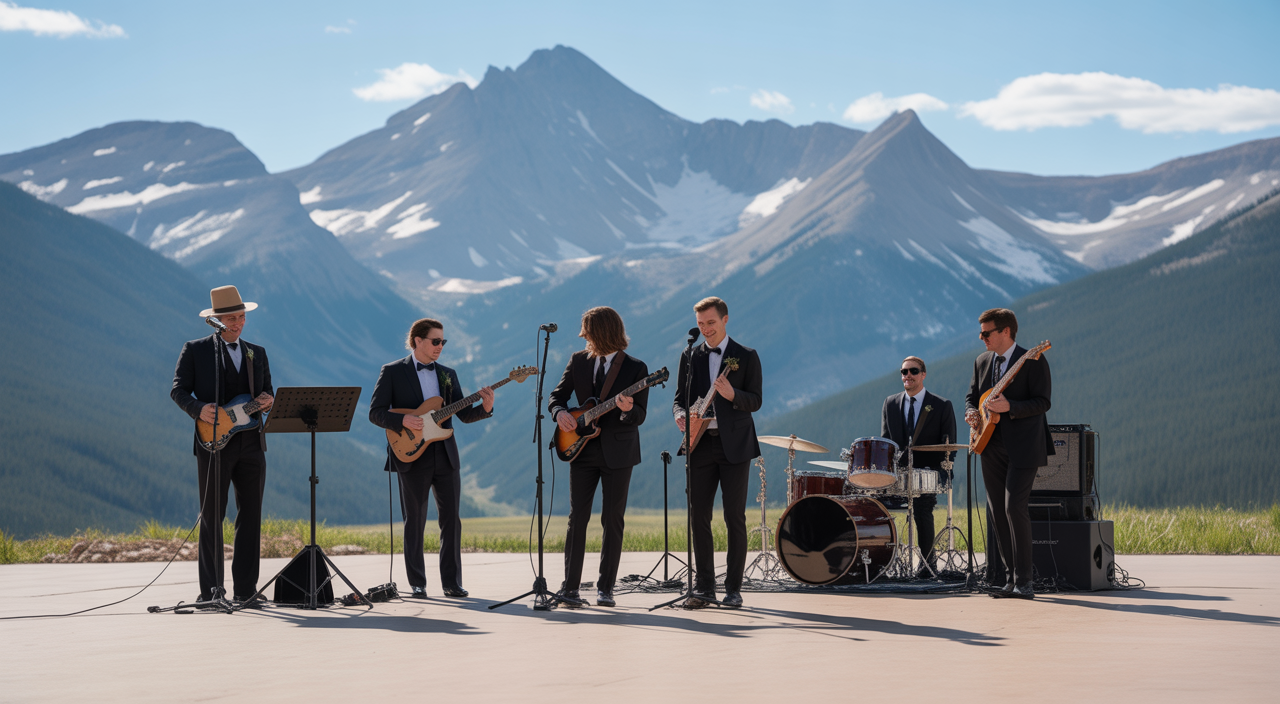

Your wedding in the mountains feels dreamy already, but the big question is: how do you choose the right Colorado destination wedding band that fits your style, venue, and budget?
The good news is that you do not need to guess. With a clear plan, a simple budget framework, and the right platform like Colorado destination wedding band booking becomes smooth and stress free. This guide walks you through every step so you can focus on enjoying your big day.
Whether you are planning an intimate elopement in Telluride or a grand celebration in Aspen, the right live music will lift the entire experience for you and your guests.
Why Choose a Colorado Destination Wedding Band?
Colorado weddings are special. Snowy peaks, green valleys, and clear blue skies create a natural backdrop that feels magical. A live band adds energy to that setting and keeps guests on the dance floor all evening.
A local mountain wedding band also understands altitude, weather swings, and how sound travels in outdoor spaces. They know which songs feel right for an open-air ceremony, a rustic barn reception, or a luxury resort ballroom.
Compared with flying in a band from another state, Colorado wedding musicians can often offer better value and simpler logistics, because they are already used to traveling between popular venues like Vail, Breckenridge, and Estes Park.
Planning Essentials: Budget, Travel, and Logistics
Before you start listening to playlists, get clear on numbers. For most couples, music takes around 8–12% of the total wedding budget. For a mountain or resort event, you should also factor in travel and stay for the band.
- Band fee: Based on size, experience, and hours of performance.
- Travel: Fuel or transport costs to your venue, especially for remote spots.
- Lodging: Hotel rooms for band members if the event ends late or is far from the city.
- Equipment: Extra sound systems, lights, or backup gear for outdoor sites.
A simple “mental calculator” many planners use is:
- Small acoustic duo or trio: suitable for ceremony and cocktails, lower cost.
- 4–6 piece band: perfect for most receptions, medium budget.
- Large 8–10 piece band with horns and multiple singers: premium experience.
You can also support your planning with other structured guides, just like people use a clear process when choosing event rental packages and pricing options for major functions.
Permits, Sound Rules, and Insurance in Colorado
Many mountain towns have sound ordinances, which are local rules about how loud music can be and when it must stop. Resorts and ranch venues often have their own limits too.
Ask your band and your venue:
- What is the latest time for live music outdoors?
- Are there decibel (volume) limits?
- Are extra permits needed for amplified sound?
Professional destination wedding entertainment in Colorado should also carry liability insurance. This protects you and the venue if any equipment damages property or if a guest trips on a cable. Always confirm that your band can share proof of insurance on request.
Altitude, Weather, and Acoustics: What Bands Must Handle
Colorado’s high altitude and fast-changing weather are part of its charm. They can also affect instruments and sound. Cold air can detune guitars and string instruments. Wind can carry away sound or create harsh noise in microphones.
A seasoned Rocky Mountains wedding band will usually:
- Bring weather-safe covers for speakers and mixers.
- Use wind shields on microphones for outdoor ceremonies.
- Arrive early to test sound at your actual spot, not just inside the venue.
Ask your band what their rain or snow plan is. Many couples set up a backup indoor space or tent, much like planners do when they manage other complex logistics such as airport transportation for events and guests.
Top Colorado Destinations and Ideal Music Setups
Aspen and Snowmass: These mountain towns are perfect for classy, modern celebrations. Many couples choose jazz, soft rock, or a stylish pop band. A string quartet or acoustic duo can handle the ceremony, with a full live band for the reception.
Vail and Beaver Creek: Resorts here work well for mixed styles. You can have acoustic ceremony music Colorado guests will love, followed by a high-energy dance band that covers Bollywood hits, global pop, and classic rock.
Telluride and Ouray: These feel more intimate and rugged. An unplugged or semi-acoustic group fits the mood. Think guitar, cajón (a box drum), and light vocals, perfect for smaller destination celebrations.
Live Band vs DJ for a Colorado Mountain Wedding
Some couples think they must choose between a DJ and live band. In reality, many Colorado wedding musicians offer hybrid packages. The band plays during key moments, while a DJ or band member runs curated tracks during breaks.
Live wedding music in Colorado creates excitement during:
- Bride and groom entry
- First dance and parent dances
- Peak dance-floor sets
A DJ or digital playlist can handle background music during dinner or late-night snacks. This mix gives you energy, variety, and better cost control.
How to Choose Your Perfect Colorado Wedding Musicians
Start with your vision. Do you see a folk and indie mountain vibe, a full-on Bollywood and pop party, or a blend of English and regional languages?
Then shortlist bands based on:
- Genre fit: Rock, pop, jazz, country, Bollywood, or fusion.
- Experience: How many mountain or outdoor weddings they have done.
- Flexibility: Willingness to learn your special songs.
- Reviews: Feedback from couples who booked them for similar venues.
When you speak with potential bands, ask:
- Have you played at my venue or town before?
- What is included in your standard package?
- How do you handle song requests and cultural music?
- What is your backup plan if someone falls sick or equipment fails?
For Indian Couples and NRIs Planning a Colorado Wedding
Many Indian families choose Colorado for its scenic beauty and resort hospitality. If you are an Indian investor or NRI planning from abroad, planning early is key. You may want a band that can blend Western hits with Hindi, Punjabi, Tamil, or Telugu songs.
Discuss:
- Entry songs for baraat or sangeet-style events.
- Fusion playlists for guests from both sides of the family.
- Timelines that respect cultural rituals along with local venue rules.
A professional Colorado mountain wedding band familiar with multicultural weddings can guide you on what works best at altitude and within resort schedules.
Next Steps: From Shortlist to Booking
Once you have 3–5 options, compare what each includes: hours of play, number of musicians, travel and stay, and sound setup. Listen to their live clips, not just studio recordings. Real event videos show how they interact with guests and keep the crowd engaged.
When you are ready, lock in your date with a clear written agreement. This should list set timings, payment schedule, extra-hour rates, and cancel or reschedule terms.
FAQs About Booking a Colorado Destination Wedding Band
Q1. How much does a Colorado destination wedding band usually cost?
For a small acoustic group, you might budget for a modest range that covers travel and basic sound. A mid-sized band for a 5–6 hour reception will usually sit in a comfortable middle range. Large bands with multiple vocalists, horn sections, and full lighting setups will be higher, especially if your venue is far from major cities.
Q2. Do we need to pay for hotel rooms for the band?
If your venue is several hours from the band’s base city or the event ends late at night, yes, most bands ask for 1–2 nights of lodging. Some include this in their quote, while others ask you to book directly. Confirm this upfront so there are no surprises.
Q3. What happens if the weather changes on the wedding day?
Ask your band to share a clear rain or snow plan. Many will move to a covered terrace, tent, or indoor hall with a smaller sound setup. As long as you and the venue have a backup space ready, your music can continue smoothly and your guests will still enjoy a beautiful celebration.

Mark Martin is a freelance writer and editor based in New York City. He has written extensively on topics ranging from technology, business and lifestyle. His work has been featured in major publications such as The New York Times, The Wall Street Journal and Wired Magazine.