Is your kitchen exhaust hood acting up? Perhaps it’s making a strange noise, or maybe it’s just not clearing smoke and odors like it used to. A broken or inefficient kitchen exhaust hood can turn cooking into a smoky, smelly chore. More importantly, it can pose risks to your health and home safety.Dealing with a faulty exhaust hood can feel overwhelming. You might wonder if it’s a simple fix you can do yourself, or if you need to call in the professionals. For reliable and efficient kitchen exhaust hood repair, understanding the problem is the first step. This guide will help you diagnose common issues, understand when DIY is an option, and know when it’s best to seek expert help.
Understanding Your Kitchen Exhaust Hood: Anatomy & Function
Your kitchen exhaust hood, also known as a range hood or vent hood, plays a vital role in maintaining air quality. It pulls smoke, grease, steam, and cooking odors away from your cooking area. This keeps your kitchen cleaner and prevents grease buildup on surfaces.
Key Components of an Exhaust Hood
- Fan/Motor: This is the heart of your hood. It powers the suction that draws air up and out.
- Filters: These trap grease and other particles. Common types include mesh, baffle, and charcoal filters.
- Lights: Often, hoods include lights to illuminate your stovetop.
- Control Panel/Switches: These allow you to turn the fan on/off, adjust fan speed, and control the lights.
- Ductwork: Many hoods vent air outside through a system of ducts. Ductless hoods filter air and recirculate it.
How a Range Hood Should Work (The Ideal Scenario)
A well-functioning hood should effectively remove cooking byproducts without excessive noise. You should feel a clear pull of air when the fan is on. The lights should provide bright, consistent illumination for your cooking tasks. Any deviation from this ideal means it might be time for some troubleshooting or professional attention.
Common Kitchen Exhaust Hood Problems & Their Symptoms
Identifying the symptoms is key to understanding what kind of kitchen exhaust hood repair might be needed. Here are some frequent issues:
The Fan Isn’t Working At All
This is a straightforward problem. If the fan doesn’t turn on, check a few things first. It could be a simple power supply issue, like a tripped circuit breaker. Sometimes, the motor itself has failed, or there might be an issue with the control switch. Don’t worry, we will cover some DIY checks in the next section.
The Fan Is Working, But Suction Is Weak
You can hear the fan, but the smoke isn’t clearing. This is often caused by clogged filters that are packed with grease and debris. Another culprit can be a blockage in the ductwork. If the fan isn’t powerful enough for your cooking habits or kitchen size, that could also be a factor.
My Hood Is Making Excessive Noise
A little noise is normal. However, if your hood sounds like a jet engine or is rattling loudly, there’s a problem. Loose fan blades can cause vibrations and noise. Worn-out motor bearings can create grinding or squealing sounds. Sometimes, a dirty fan or improper installation can also lead to increased noise.
Lights Aren’t Working (But Fan Is)
This is usually one of the easier problems to solve. It often means a burnt-out bulb. However, if replacing the bulb doesn’t fix it, the issue could be with the wiring or the light switch itself.
Grease Accumulation & Odors Lingering
If you notice more grease collecting on your kitchen surfaces or strong cooking odors hanging around, your ventilation system isn’t working effectively. This points to poor ventilation, often due to clogged filters. It could also mean the fan isn’t efficient enough to handle your cooking volume.
Other Less Common Issues
Sometimes, the control panel might malfunction, or the automatic shut-off feature stops working. These problems often indicate more complex electrical or electronic faults within the unit. They usually require a deeper understanding of the hood’s inner workings.
Troubleshooting Your Kitchen Exhaust Hood: DIY Steps
Before calling for professional help, there are some basic checks you can perform. These simple steps might save you time and money. Always remember safety first!
Safety First: Before You Start!
Always disconnect power to your range hood before doing any inspection or cleaning. This means turning off the circuit breaker that controls your kitchen. Wearing gloves can also protect your hands, especially when dealing with greasy filters or sharp edges.
Step-by-Step Diagnostic Checklist
- Check Power Supply: Is the hood plugged in securely? Has a circuit breaker tripped? Resetting a breaker is a common fix.
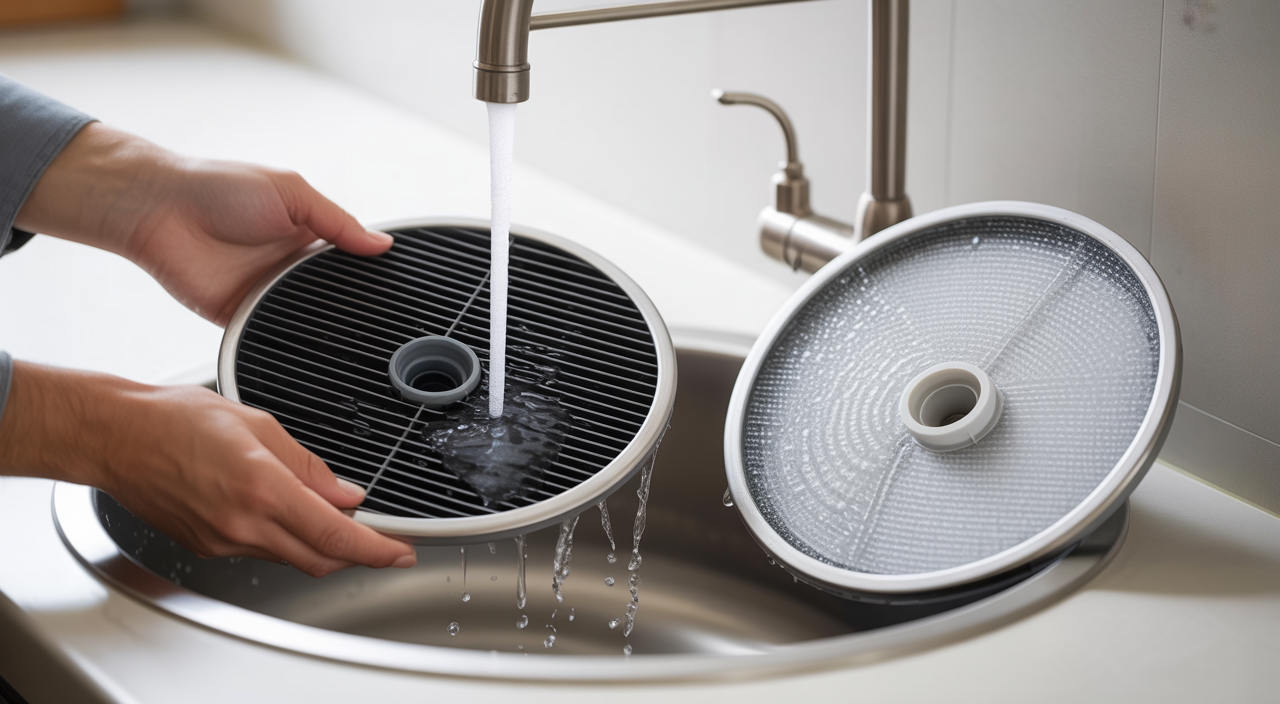
- Clean/Replace Filters: This is the most common solution for weak suction and lingering odors. Remove your filters and clean them thoroughly with hot, soapy water. If they are metal mesh filters, they might be dishwasher-safe. If they are charcoal filters, they usually need to be replaced.
- Inspect Fan Blades: With the power off, carefully inspect the fan blades. Are they loose? Is there anything caught in them? Gently tighten any loose screws if you can safely reach them.
- Test Switches: Sometimes, a sticky switch just needs a little jiggle to engage.
- Simple Bulb Replacement: If the lights are out, try replacing the bulbs. Make sure you use the correct type and wattage specified by your hood’s manufacturer.
If these steps don’t resolve the issue, or if you’re uncomfortable with electrical work, it’s time for professional hood repair. Attempting complex repairs without proper knowledge can be dangerous and cause further damage.
When to Call a Professional for Kitchen Exhaust Hood Repair
While DIY troubleshooting is helpful, some issues are best left to experts. Knowing when to call a professional can prevent further damage and ensure your kitchen’s safety.
Signs Your Repair Is Beyond DIY
- Persistent Electrical Issues: If your circuit breaker keeps tripping or there’s no power despite your checks, it’s an electrical problem. This requires a qualified electrician or appliance technician.
- Motor Burning Smell or Unusual Grinding Noises: These are serious signs of motor failure. Continuing to operate the hood could lead to a fire hazard.
- Major Structural Damage: If the hood housing is bent, or the ductwork is significantly damaged, this affects performance and safety.
- Water Leaks: Water leaking from your hood can indicate issues with the roof vent or ducting, leading to potential structural damage in your home.
- Commercial Kitchen Hoods: These systems are much more complex and are subject to strict health and safety regulations. Always call a specialist for commercial remodeling your kitchen needs.
- Any Repair Involving High-Voltage Wiring: If you’re unsure about wiring, don’t risk it. Electrical work can be dangerous.
Benefits of Professional Kitchen Exhaust Hood Repair
Hiring a professional appliance technician offers many advantages. They have expert diagnostic skills and specialized tools to identify the root cause quickly. This ensures a safe and compliant repair, especially crucial for commercial setups.
Professionals use reliable parts and often guarantee their work, giving you peace of mind. It’s often cheaper to maintain than to repair. They also have access to specialized knowledge for all brands and models of exhaust hoods.
Choosing the Right Kitchen Exhaust Hood Repair Service
Selecting a good repair service is important for quality and reliability. Do some research to find a reputable company in your area.
What to Look For in a Repair Company
- Experience and Certification: Look for technicians with proven experience in appliance repair, specifically with exhaust hoods. Certifications indicate their expertise.
- Local Reputation and Reviews: Check online reviews and ask for recommendations. A company with positive local feedback is usually a good sign.
- Transparent Pricing: A reliable service will provide clear estimates before beginning any work. Avoid companies that are vague about costs.
- Warranty on Parts and Labor: Good companies stand behind their work. A warranty offers protection if the same issue reappears.
- Specialization: If you have a commercial kitchen, ensure the company specializes in commercial systems, as these require specific knowledge and tools. For larger projects or new installations, consider companies offering design-build services to integrate your hood seamlessly.
Preventative Maintenance: Extending Your Hood’s Lifespan
Regular maintenance can prevent many common issues and prolong the life of your exhaust hood. It’s often cheaper to maintain than to repair.
Simple Maintenance Tips You Can Do
Make a habit of regularly cleaning or replacing your filters. This is the single most effective maintenance step. Also, wipe down the hood’s surfaces to prevent grease buildup. Occasionally, check for any loose screws or vibrating parts and gently tighten them if safe to do so. These small tasks make a big difference.
Professional Maintenance Services
For a deeper clean and inspection, consider professional maintenance. This can include thorough cleaning of the ductwork, lubrication of the motor, and checking all electrical connections. Professional maintenance can catch minor issues before they become major hood repair problems.
Conclusion: Don’t Let a Faulty Hood Compromise Your Kitchen
A functioning kitchen exhaust hood is crucial for a clean, safe, and comfortable cooking environment. Whether you’re dealing with a minor annoyance or a complete breakdown, it’s important to address the problem promptly. Understanding the basic diagnostics can empower you, but knowing when to call the experts ensures the job is done right and safely. Trusting professionals for your hood repair needs guarantees long-lasting results and peace of mind.
Frequently Asked Questions (FAQs)
Q1: How often should I clean or replace my kitchen exhaust hood filters?
It depends on how often you cook. For average use, mesh filters should be cleaned every 3-6 weeks. Charcoal filters (for ductless hoods) usually need to be replaced every 3-6 months. Heavy cooking may require more frequent cleaning or replacement.
Q2: Can a dirty exhaust hood really be a fire hazard?
Yes, absolutely. Grease and oil residues trapped in filters and ductwork are highly flammable. If left uncleaned, a spark from your stovetop could ignite this buildup, leading to a serious kitchen fire. Regular cleaning and maintenance are essential for fire safety.

Mark Martin is a freelance writer and editor based in New York City. He has written extensively on topics ranging from technology, business and lifestyle. His work has been featured in major publications such as The New York Times, The Wall Street Journal and Wired Magazine.