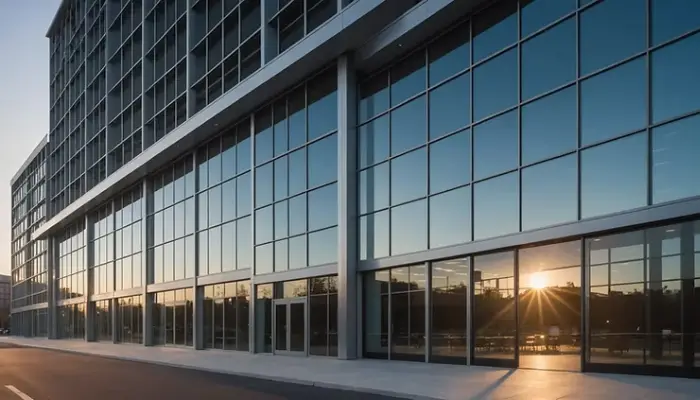
In a world increasingly driven by climate concerns and conscious consumption, sustainable design has moved from a niche ideal to a mainstream mandate. Architects, designers, and developers are tasked with balancing functionality, aesthetic appeal, and environmental responsibility. Amid this shift, exterior renderings have emerged as a powerful tool—not just to showcase how buildings will look, but to influence how responsibly they will perform.
Photorealistic renderings are no longer just marketing assets; they are decision-making tools. When done well, they help stakeholders visualize eco-conscious choices, understand spatial interactions with the environment, and collaborate more effectively. This article explores how exterior renderings are reshaping the way sustainable designs are planned and communicated.
1. The Intersection of Visualization and Environmental Impact
Sustainability in design often begins with awareness—understanding how a building will interact with its surroundings in terms of energy usage, sunlight, wind flow, and material longevity. Exterior renderings provide a detailed, lifelike view of architectural concepts in their natural or urban context, helping to simulate these environmental interactions before construction even begins.
For example, by adjusting lighting and angle settings, designers can illustrate how seasonal sunlight will hit the building. This allows teams to evaluate passive heating or cooling strategies visually. Similarly, landscaping renderings can demonstrate how green spaces contribute to stormwater management or urban heat reduction.
When stakeholders can see these interactions in real-time visuals, they’re more likely to make informed, eco-friendly decisions from the outset.
2. Enhancing Stakeholder Collaboration Through Visual Communication
One of the key barriers to implementing sustainable elements in architecture is miscommunication. Architects may understand the implications of certain materials or layouts, but clients might focus solely on aesthetics or budget constraints.
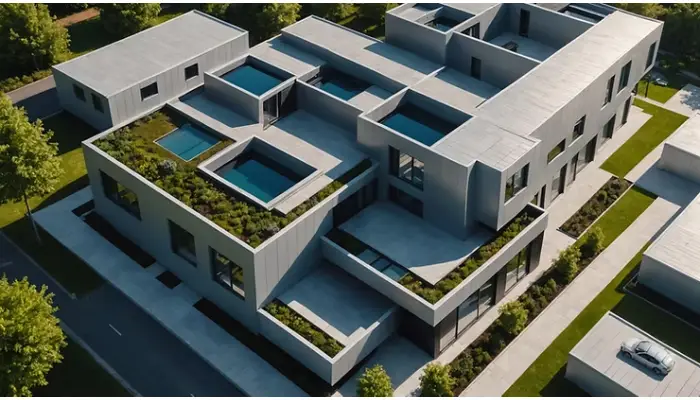
This is where high-quality exterior renderings play a pivotal role. By showing rather than telling, designers can communicate the “why” behind specific sustainability features. For instance, a green roof rendered in photorealistic detail can make its purpose—temperature regulation, rainwater capture, aesthetic value—more compelling and understandable to a client unfamiliar with green architecture.
Moreover, when all project collaborators—including engineers, city planners, and clients—are literally looking at the same picture, it fosters alignment. Fewer revisions, clearer expectations, and better integration of sustainable features follow.
3. Visualizing the Lifecycle: Materials, Aging, and Maintenance
Sustainability isn’t just about how a building is constructed, but how it functions long-term. A rendering can show what a façade will look like not just on Day One, but years down the line, simulating how materials age, weather, or require maintenance.
This becomes especially important in projects aiming for LEED certification or similar eco-credentials. Visualizing future wear and tear helps teams choose finishes and materials that reduce the need for repair or replacement, cutting down on environmental costs over time.
With modern rendering technology, architects can integrate environmental simulation data into the design visuals, offering a proactive view of the building’s lifecycle. This adds another layer of strategic foresight to sustainable design planning.
4. Empowering Community Engagement and Public Approval
In urban planning and public architecture, gaining approval from local communities is often a make-or-break step. Traditional blueprints or abstract sketches rarely inspire confidence or understanding among non-professionals. But a detailed exterior rendering bridges that gap.
By portraying a development in its actual environment—surrounded by existing landmarks, foliage, and infrastructure—renderings help the public visualize how the space will impact their daily lives. Will the building block sunlight from a park? Will the materials blend into the neighborhood or stand out jarringly?
This kind of transparency, especially when showing sustainability features like solar panels, green walls, or energy-efficient windows, can foster trust and buy-in. It turns resistance into collaboration, smoothing out the approval process significantly.
5. From Concept to Reality: Minimizing Design Waste
Every architect knows the cost—financial and environmental—of scrapped ideas, delayed changes, and on-site corrections. Renderings, especially in the early stages, act as a reality check that minimizes these inefficiencies.
By using exterior renderings to test multiple sustainable design paths—say, comparing solar shading structures or different wall insulation options—teams can validate decisions before materials are ordered. This reduces costly, wasteful trial-and-error processes.
What’s more, iterative feedback becomes faster and more precise when visuals are involved. Instead of vague verbal critiques, clients can point to exact details in a rendering, leading to fewer missteps and more sustainable outcomes.
Conclusion
Exterior renderings have evolved far beyond their original function as marketing eye-candy. Today, they are strategic assets in the planning and execution of sustainable architecture. Whether it’s helping clients grasp complex ecological benefits or simulating how a building ages in its climate, renderings bring clarity and foresight into every stage of the design process.
As firms strive to meet the demands of both modern aesthetics and environmental responsibility, leveraging the power of detailed, client-centered visualizations is no longer optional—it’s essential. By integrating cutting-edge tools with collaborative feedback, designers can build not just structures, but smarter, greener futures.

Mark Martin is a freelance writer and editor based in New York City. He has written extensively on topics ranging from technology, business and lifestyle. His work has been featured in major publications such as The New York Times, The Wall Street Journal and Wired Magazine.