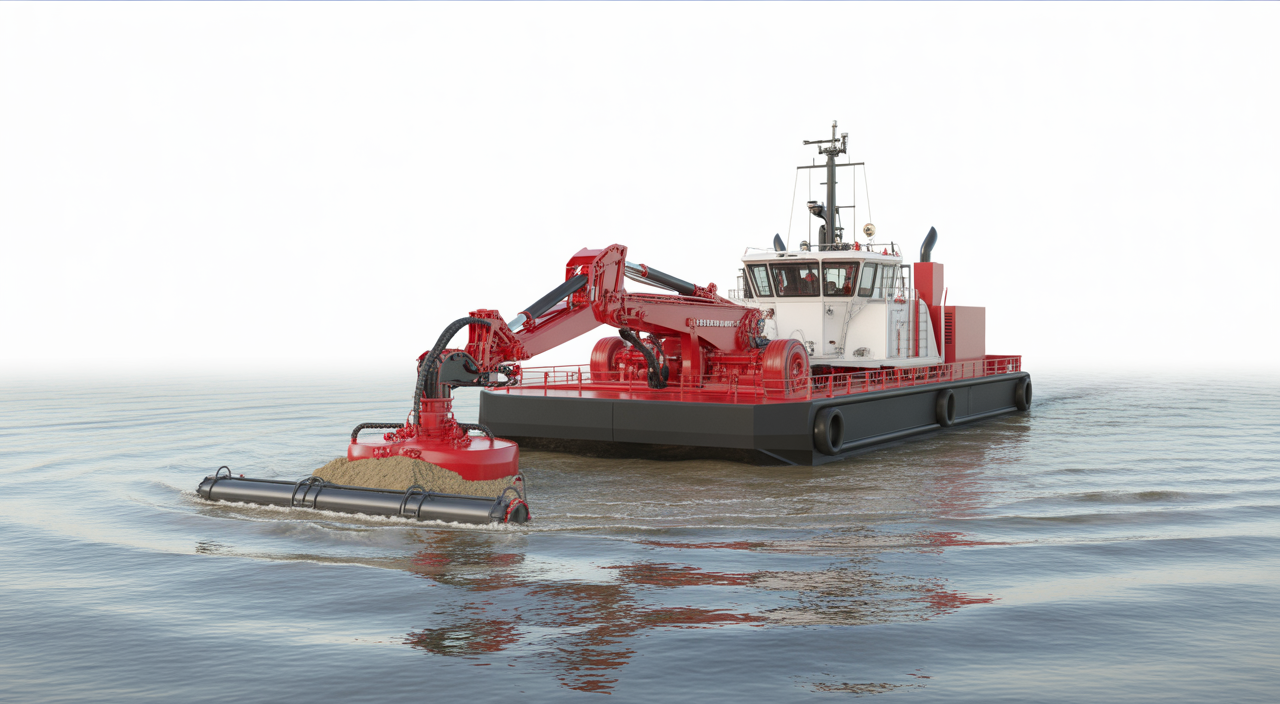
What exactly is a Self-Propelled Dredge?
A Self-Propelled Dredge is a dredging vessel that can move by itself using its own engines and propellers. It does not need tugboats or cables to shift position. This makes it faster to set up, easier to reposition, and more efficient on many projects.
For contractors, port authorities, and Indian infrastructure investors, this type of dredge can reduce idle time and fuel wastage. It supports continuous work in canals, rivers, lakes, and nearshore areas where frequent repositioning is needed. The result is smoother operations and better control over project timelines.
If you are planning or funding marina or channel works, it helps to understand how these units differ from traditional pontoon or barge-mounted dredges. That knowledge makes your equipment decisions more confident and future-ready.
How a Self-Propelled Dredge is different from other dredges
Most smaller dredges are mounted on pontoons and need cables or external boats to move. Every shift in position takes time and labour. A self-propelled cutter suction dredge has its own hull propulsion system, so the operator can steer it like a workboat.
Compared with large trailing suction hopper dredges, it is more compact and focused on precise excavation rather than long-distance material transport. For many inland and nearshore projects, this balance of mobility and precision is ideal.
In short, self-propelled units sit between basic portable dredge units and huge offshore vessels. They offer strong dredging capacity along with flexible movement at a relatively moderate investment level.
Main components you should know
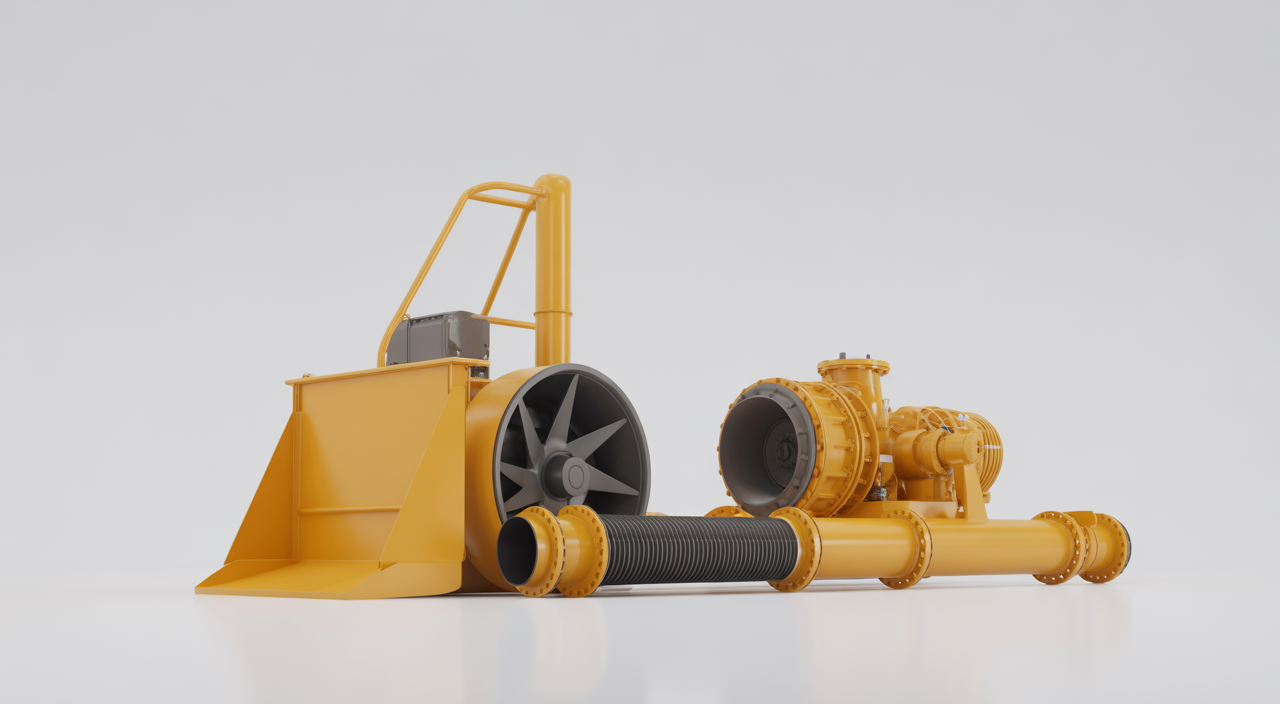
Even if you are not a marine engineer, knowing the core parts helps you evaluate any dredge manufacturer or model. Key elements include:
- Cutter head: A rotating tool that loosens sand, silt, clay, or compacted soil at the river or seabed.
- Cutter suction pump: A powerful pump that sucks the loosened material along with water.
- Dredge discharge pipeline: A pipeline that carries the slurry to the disposal site, reclamation area, or geotextile bags.
- Hull and propulsion: The steel hull with engines, propellers, or water jets that move the dredge around the site.
- Winches and spuds: Anchoring and positioning equipment that keeps the dredge stable while cutting and pumping.
- Control and automation: Operator cabin, monitoring screens, and sometimes automated dredging systems for depth and swing control.
Key technical specs that really matter
When you compare a self-propelled cutter dredger for your project or for investment, pay attention to these points:
- Cutter power and size: Higher power allows cutting harder material such as compact clay or dense silt. Oversized cutters for soft material just waste fuel, so match the rating to your typical soil conditions.
- Pump capacity: Measured in cubic metres per hour. This, combined with pipeline length and lift (height), defines real dredging capacity. Look for balanced power rather than only the highest number.
- Discharge distance: How far the slurry can be pumped without booster pumps. For land reclamation or bund construction, this impacts both layout and cost.
- Draft and hull size: Shallow-draft hulls can work in rivers, lakes, and irrigation canals without grounding, which is valuable in many Indian water bodies.
- Automation features: Auto swing, depth control, production monitoring, and fuel tracking can cut operating costs and improve reporting to government or private clients.
Where Self-Propelled Dredges shine
These units perform best where frequent relocation and precise control are needed. Common applications include:
- Port and harbour maintenance dredging
- Marina basins and access channels
- River desiltation for flood control
- Reservoir, lake, and pond restoration
- Land reclamation on a controlled, medium scale
Because they can reposition quickly, they reduce “non-productive” time. Over the life of a long project, those savings can be significant and directly improve the return on your marine equipment investment.
Self-Propelled vs non-self-propelled: cost and ROI
Non-self-propelled dredges usually cost less initially. However, you must factor in tugboats, extra crew, and slower project progress. For contractors bidding on time-sensitive contracts, these hidden costs add up.
A self-propelled dredge may carry a higher purchase price but helps you:
- Start work faster at new locations
- Reduce support vessels and manpower
- Complete more work in each weather window
- Offer clients firmer timelines and performance guarantees
If you want more background on how dredging supports asset value, a helpful resource is this guide on protecting your marina investment with regular dredging.
Environmental and regulatory benefits
Regulators across the world are paying closer attention to turbidity, sediment disposal, and aquatic habitat. Modern self-propelled dredges can help you stay ahead of these expectations.
Features to look for include:
- Precise cutter and pump control to avoid over-dredging
- Low-noise, low-emission engines where possible
- Accurate production and position logging for compliance reports
For public sector buyers in India, clear records and stable operations help win approvals and community support for navigation and desiltation projects.
Choosing the right Self-Propelled Dredge for Indian projects
Project conditions in India vary a lot: monsoon-driven rivers, irrigation canals, coastal ports, and urban lakes. Before selecting any hydraulic dredge for sale, consider:
- Material type: Is it soft silt, fine sand, or stiff clay?
- Water depth: Maximum and minimum working depth define cutter ladder design.
- Access and transport: Can the dredge be transported by road in sections if needed?
- Power and fuel: Local fuel quality, price, and availability affect operating costs.
- Project duration: Long-term maintenance contracts justify more advanced automation and higher initial investment.
It is also wise to compare with other options like small diesel dredges. For a focused comparison, you can study this guide on choosing the right diesel dredge size and then map those insights to self-propelled units.
Maintenance and lifecycle planning
For serious investors and fleet owners, a clear maintenance plan is just as important as the purchase decision. A simple dredge maintenance checklist should cover:
- Daily checks on engines, pumps, and hydraulic lines
- Regular inspection of cutter teeth and suction mouth
- Greasing of winches and spud systems
- Monitoring of hull corrosion and coating condition
- Periodic calibration of automation and safety systems
Following a strict schedule keeps uptime high and protects resale value if you plan to rotate assets across projects or regions.
Simple decision framework for buyers and investors
To decide whether a self-propelled unit is right for your portfolio, ask three practical questions:
- Will self-propulsion significantly cut setup and relocation time on my typical jobs?
- Can I reliably secure projects where this time saving translates into higher revenue or stronger margins?
- Do I have (or can I build) a trained crew that can operate and maintain a modern cutter suction dredge?
If the answer is “yes” to all three, the long-term ROI often justifies the investment, especially when backed by strong manufacturer support and parts availability in your region.
FAQs
Q1. How long does a Self-Propelled Dredge typically last?
A well-built dredge can easily operate for 20 years or more with proper maintenance. Major components like engines and pumps may need overhauls during that time, but the hull and structure can serve through multiple project cycles. Consistent servicing and timely part replacement are the keys to long life.
Q2. What crew size is usually required to run a self-propelled cutter dredge?
Crew size depends on automation level and project complexity, but many medium units can run with a compact team of 3 to 6 people. This may include an operator, an engineer or mechanic, and deck crew for pipeline and support tasks. Training your team on both operations and safety delivers better productivity and protects your investment.

Mark Martin is a freelance writer and editor based in New York City. He has written extensively on topics ranging from technology, business and lifestyle. His work has been featured in major publications such as The New York Times, The Wall Street Journal and Wired Magazine.