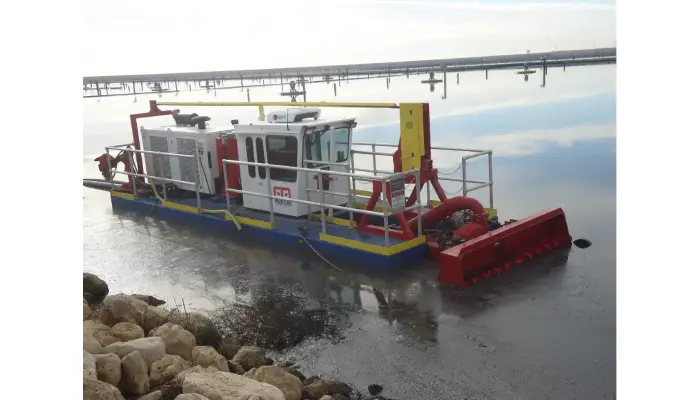
Choosing the right diesel dredge size depends mostly on your project needs and site conditions. You want to consider the volume of material you expect to move because a too small dredge will slow work down, while an oversized one might waste fuel and cost more than necessary. Also, think about accessibility, larger machines can be harder to transport or operate in confined spaces. Another key factor is the depth and type of sediment you’ll be dealing with; some dredges handle heavier materials better than others. Overall, balancing efficiency, cost, and practicality helps pick a diesel dredge that fits your specific job well.
Understanding Diesel Dredge Sizes and Their Uses
Diesel dredge comes in a variety of sizes, commonly measured by horsepower and bucket capacity, and each size fits different needs. Small diesel dredges are ideal for light sediment removal and working in tight spaces where maneuverability is key, such as small ponds or narrow waterways. Medium-sized dredges offer a good balance between production capacity and ease of movement, making them suitable for general-purpose dredging projects like maintaining harbors or river channels. Large diesel dredges are built to handle high volumes of material in major dredging or mining operations, capable of moving heavier sediments like gravel and compacted sand efficiently. The size of the dredge also influences its physical footprint and draft depth, which are critical factors when considering whether a site can accommodate the equipment. Larger dredges require more space and deeper water, while smaller units can operate in shallower, confined areas. Additionally, dredge size determines the range of accessories and attachments that can be used, as bigger dredges often support more complex setups. Fuel consumption naturally scales with size, affecting operational budgets, and larger dredges come with increased transport and setup challenges. Understanding these size differences helps in selecting a dredge that matches both the demands of the project and the specific site conditions, ensuring efficient and cost-effective operations.
Assessing Your Project Scope and Site Conditions
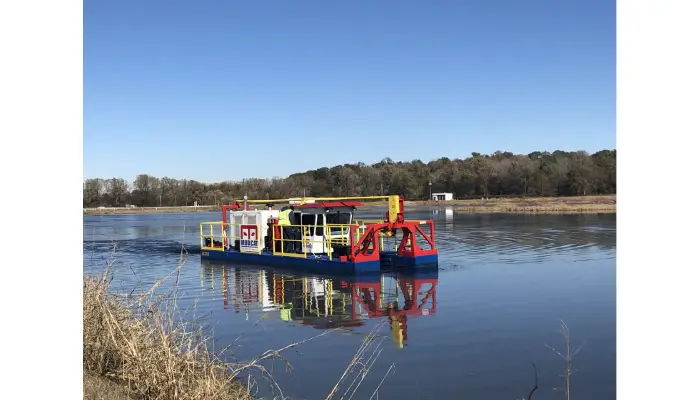
Start by identifying the total area and volume of material that needs dredging. This helps in selecting a dredge capable of handling the workload efficiently. Next, consider the water depth and flow rate at the site, along with any tidal influences, as these factors affect dredge stability and reach. The type of soil and sediment composition plays a big role in dredging difficulty: harder or more compact materials may require larger or more powerful equipment. Check for underwater obstructions like rocks, debris, or old infrastructure that could damage the dredge or slow down operations. Access points and transportation routes are important too, since delivering a large dredge might be challenging in remote or tight locations. Weather patterns should be reviewed to avoid frequent interruptions from storms or high winds. Environmental sensitivity around the site, including protected zones, may limit where and how you dredge. Also, project deadlines and the pace at which the work must be completed will influence size choice, you might need a larger dredge to meet tight schedules. Local regulations might restrict dredge size or operational hours, so it’s essential to verify these before making a decision. Finally, estimate the availability of power sources and fuel supply nearby to ensure the dredge can operate continuously without logistical issues. For example, a remote coastal project with soft sediment but limited access and strict environmental rules might require a compact, maneuverable dredge with moderate power rather than a large, heavy unit.
- Identify the total area and volume of material to be dredged.
- Consider water depth, flow rate, and tidal influences at the site.
- Evaluate soil type and sediment composition for dredging difficulty.
- Check for underwater obstructions or debris that could affect equipment.
- Assess access points and transportation routes for equipment delivery.
- Review weather patterns that might disrupt dredging operations.
- Determine environmental sensitivity and protected zones nearby.
- Account for project deadlines and required completion pace.
- Understand local regulations that might limit dredge size or operation hours.
- Estimate the availability of power sources and fuel supply at the site.
Evaluating Material Type and Volume
Choosing the right diesel dredge size starts with understanding the type and volume of material you’ll be moving. First, classify the sediment as sand, silt, clay, gravel, or a mix. Each type affects dredging differently, sand and gravel tend to be heavier and more abrasive, increasing wear on cutter heads and pumps, while clay and silt are softer but may cause clogging or settling issues. Measure the material’s density to estimate resistance during dredging and potential equipment strain. Check for any contamination, as polluted sediment requires special handling, possibly changing your dredge choice or operation plan. Accurately estimate the total volume of material to size your dredge properly and plan dredging cycles efficiently, avoiding under- or overcapacity. Also, consider particle size distribution to select suitable bucket or suction sizes, ensuring smooth operation without blockages. Moisture content matters too, influencing how easily material pumps and settles after removal. Identify oversized debris or rocks that could damage equipment or slow progress, these may require a larger or more robust dredge. Finally, think about whether the material needs separation or processing after dredging and plan disposal or reuse based on its characteristics. For example, dredging mainly fine silt with low abrasiveness but high moisture might allow a smaller, less powerful dredge, while mixed sediment with gravel and debris calls for a heavier-duty machine designed for tougher jobs.
Matching Dredge Size to Required Production Rate
Choosing the right diesel dredge size starts with clearly defining your required production rate, usually measured in cubic yards or tons per hour. Calculate how much material you need to move within your project deadlines to avoid costly delays. The capacity of the dredge’s bucket or pump directly impacts cycle times, so understanding these specs helps match equipment to workload. Horsepower must align with production goals; too little power slows progress, while too much wastes fuel and resources. Consider how many operational hours you realistically expect per day, and factor in downtime for maintenance to avoid overestimating output. Balancing dredge size with crew capabilities and shift lengths ensures smooth operations without overworking personnel. In some cases, using multiple smaller dredges can offer flexibility and easier handling compared to a single large unit. Site constraints like space or water depth might limit dredge size or speed, so factor those in early. Fuel efficiency also plays a role in controlling cost per unit produced, making it part of the overall sizing decision. Finally, plan ahead for potential project expansions or changes, selecting a dredge size that can adapt rather than just meet immediate needs.
Considering Power and Fuel Efficiency
Choosing the right diesel dredge size means balancing power needs with fuel efficiency to keep operating costs manageable. Diesel engines differ greatly in fuel consumption depending on their size and the load they’re under. While high horsepower engines deliver the power to handle tough dredging jobs, they come with increased fuel expenses. It’s important to select an engine that matches your workload closely, running a large engine at partial load or idling wastes fuel and reduces efficiency. Modern diesel engines often come with better tuning and emission controls that boost fuel economy and lower environmental impact. Some dredges now even incorporate hybrid or auxiliary power systems, which can be a smart choice if fuel availability on site is limited or if you want to reduce noise and emissions. Keep in mind, fuel supply at your job site affects how you schedule operations and manage storage. Regularly monitoring fuel use helps spot inefficiencies early, so you can adjust maintenance or operation to save costs. Also, engine type influences noise levels and compliance with environmental regulations, which could matter depending on your location. Ultimately, a well-chosen engine balances the power needed for your project with fuel consumption, helping you avoid unnecessary expenses and downtime.
Reviewing Maintenance and Operational Costs
Choosing the right diesel dredge size means looking beyond just upfront costs and production rates. Larger dredges come with higher maintenance demands because of their complex systems. Routine inspections of pumps, buckets, and engine parts are essential to avoid unexpected breakdowns that can stall your project. Having access to spare parts is another key factor: if parts are hard to get, downtime can stretch out, increasing costs. Labor expenses also rise with dredge size and longer operating hours, so plan accordingly. Don’t forget consumables like filters, oils, and wear parts, these add up over time. Fuel and lubrication are ongoing costs that can significantly impact your budget, especially for bigger machines that burn more fuel. Transport and mobilization fees vary depending on the dredge’s size and the distance it must travel, sometimes making a larger dredge less cost-effective. Unexpected repairs can throw off timelines and budgets, so investing in proper training and safety protocols can improve operational efficiency and reduce accidents. Ultimately, good maintenance extends the dredge’s lifespan and helps keep its resale value higher, which is important if you plan to upgrade later or sell the equipment.
Checking Portability and Maneuverability
When choosing the right diesel dredge size, portability and maneuverability are key factors to consider. Smaller dredges offer an advantage in ease of transport and quick setup, making them ideal for projects requiring frequent moves between sites. Larger dredges, however, often need to be disassembled and transported with specialized vehicles, which can add time and cost to your operation. Maneuverability also plays a crucial role, especially when working in confined or complex areas like narrow channels or wetland sites. The draft depth of the dredge determines its ability to access shallow waters, so a dredge with a shallow draft may be necessary for sensitive environments. Control systems and steering mechanisms tend to vary with size; smaller dredges generally provide more precise handling, improving operational safety and accuracy. Weight distribution affects both stability during work and ease of transport, so choosing a dredge with balanced design helps prevent tipping or damage. Additionally, some dredges are modular, allowing adjustments to size or configuration based on specific job needs, which can enhance both portability and versatility. Finally, consider the launch and recovery facilities available at your site, since limited infrastructure can restrict the size and type of dredge you can effectively use. Overall, matching dredge size with portability and maneuverability needs ensures smoother operations and the ability to respond quickly to new project opportunities.
Analyzing Environmental and Regulatory Factors
Choosing the right diesel dredge size means paying close attention to local environmental rules and regulations. Many areas limit dredge size or set operating hours to minimize impact on the surroundings. Before starting, permits usually require an environmental impact assessment, which examines how the dredging will affect water quality, wildlife, and nearby habitats. Noise and emissions standards also influence the choice of engine and exhaust systems, pushing operators to select equipment that meets or exceeds these limits. Sediment containment and turbidity control are essential to prevent water pollution and comply with regulations. For example, using a smaller dredge can reduce sediment disturbance, helping keep water clearer and protecting aquatic life. In places with sensitive wildlife habitats, dredging zones or methods may be restricted, meaning you might have to choose a dredge size that fits within those boundaries. Waste disposal must follow strict environmental guidelines to avoid fines, and spill prevention plans are necessary to manage fuel and hydraulic fluids safely. Operators often need to provide regular reports to authorities and conduct environmental monitoring throughout the project to detect and address any damage quickly. Overall, selecting the right dredge size is about balancing project needs with minimizing environmental disturbance and meeting all regulatory requirements.
Consulting Detailed Research on Diesel Dredge Performance
When selecting the right diesel dredge size, digging into detailed research is essential. Start by reviewing manufacturer specifications and performance data sheets to understand the capabilities and limits of each model. Look for information about maximum dredging depth, sediment types handled, and fuel consumption rates. Analyzing case studies from projects similar to yours can give real-world insight into how certain dredge sizes perform under comparable conditions. Pay close attention to fuel efficiency and maintenance records found in field reports, which can highlight the operating costs and reliability over time. Operator feedback is also valuable; firsthand accounts often reveal handling quirks and maintenance challenges not obvious from specs alone. Technological improvements, such as better engine designs or enhanced safety features, should be factored into your decision, as they can improve long-term performance. Checking for independent test results or certifications adds an extra layer of confidence in the machine’s capabilities. Furthermore, consider aftermarket support and upgrade options, which affect the dredge’s adaptability and lifespan. Cost-benefit analyses from industry publications can clarify the financial trade-offs involved. Lastly, examining long-term performance trends and resale values helps ensure that your investment remains sound beyond the initial purchase. For example, a dredge with slightly higher upfront costs but better fuel efficiency and strong aftermarket support might reduce expenses and downtime over several years, making it a smarter choice overall.
Making the Final Decision Based on Data and Needs
When choosing the right diesel dredge size, start by clearly outlining your project requirements and any site limitations. Look closely at data such as expected production rates, the type of material to be dredged, and the specifications of available equipment. It’s important to weigh upfront costs against ongoing operational and maintenance expenses to get a realistic picture of total ownership costs, including fuel, labor, and repairs. Keep in mind the need for flexibility, especially if future projects or site conditions might change. Confirm the dredge meets all environmental and regulatory standards to avoid compliance issues down the line. Consider the skill level of your operators and the availability of training to ensure smooth operation. Logistics also play a key role, plan how you will transport, set up, and break down the dredge efficiently. Using decision matrices or scoring systems can help objectively compare different options, making it easier to justify your choice. Finally, document all reasoning clearly to support procurement and project approval processes. For example, if a project site has tight access and varying material types, a slightly smaller but more versatile dredge may offer better long-term value than a larger, less adaptable model.
Frequently Asked Questions
1. What factors should I consider when deciding the size of a diesel dredge?
You should look at the volume of material you need to move, the depth of the water or soil you’re dredging, and the type of material involved. Also, consider how portable you want the dredge to be and the power output required to keep the operation efficient.
2. How does the type of material being dredged affect the dredge size selection?
Different materials have varying weights and consistencies, which impacts the dredge size. Heavier materials like compacted gravel need a larger, more powerful dredge, while lighter materials such as sand or silt may require a smaller, less intense machine.
3. Why is water depth an important factor when choosing a diesel dredge size?
Water depth determines the reach and capacity of the dredge’s suction and discharge systems. Deeper water generally requires a larger dredge with a longer boom and more powerful pump to maintain effective material removal without losing performance.
4. Can selecting the wrong dredge size affect the efficiency of my dredging project?
Yes, using a dredge that’s too small can slow down work and cause more wear, while choosing one that’s too large can waste fuel and resources, and be harder to manage. Selecting the right size ensures balanced performance and cost-efficiency.
5. How does dredge mobility impact the decision on the right size diesel dredge?
If you need to move the dredge frequently between sites, a smaller, lighter dredge is easier to transport and set up. Larger dredges usually require more effort and equipment for moving, so mobility demands play a key role in size selection.
TL;DR Choosing the right diesel dredge size means balancing your project’s scope, site conditions, and the type and volume of material you’ll handle. It’s important to match dredge size with the required production rate while considering power, fuel efficiency, and ongoing maintenance costs. Portability and maneuverability can impact operation, along with environmental regulations that might affect your choice. Doing thorough research on diesel dredge performance helps make an informed decision. Ultimately, base your final pick on clear data aligned with your specific needs for efficiency and cost-effectiveness.

Mark Martin is a freelance writer and editor based in New York City. He has written extensively on topics ranging from technology, business and lifestyle. His work has been featured in major publications such as The New York Times, The Wall Street Journal and Wired Magazine.

